

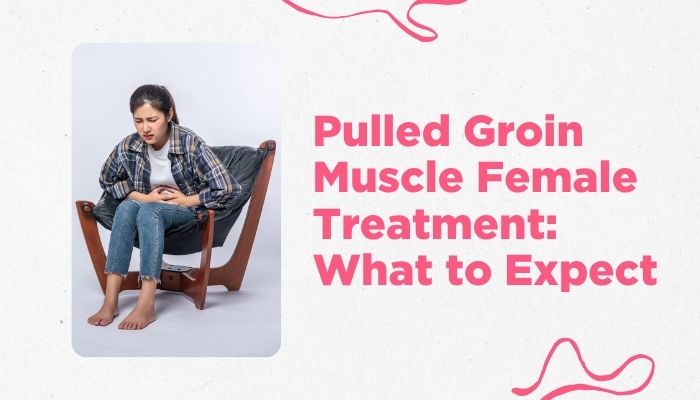

Groin pain is one of those things many women try to ignore at first. Maybe it started after exercise. Maybe after a quick twist, a long walk, a fall, or lifting something the wrong way. At first, it may feel like a small pull. Then suddenly, walking, sitting, climbing stairs, or even turning in bed becomes uncomfortable.
Table Of Content
A pulled groin muscle usually causes pain around the inner thigh, close to the hip or pelvis. It can feel sharp, tight, sore, or heavy. Not every case looks the same, which is why guessing the cause is not always helpful.
When It Starts Feeling Like More Than a Small Pull
Some women feel pain only while moving. Others feel it even while resting. The area may feel tender when touched. There may be stiffness in the thigh or hip. In some cases, swelling or bruising may appear, though not always.
If the pain stays for more than a few days, gets worse, or keeps returning, it is fair to search for a groin specialist near me and get it checked. Groin pain can come from a muscle strain, but it may also be linked to hip trouble, tendon pain, hernia, nerve irritation, or pelvic conditions.
What the Doctor May Check
The doctor will usually ask simple but important questions. When did the pain start? Was there a sudden pull? Does it hurt while walking? Is it worse during exercise? Is there any lower back, hip, or pelvic pain along with it?
A physical check-up may include leg movement, hip rotation, walking pattern, and muscle strength. The painful area may also be examined gently. If the cause is not clear, tests or scans may be suggested. Proper pulled groin muscle female treatment depends on knowing the real reason behind the pain, not just treating it like a normal sprain.
What Treatment Can Include
For a mild pull, rest is often the first step. Ice packs may help in the early stage. The doctor may also suggest pain relief, anti-inflammatory medicine, or light movement instead of complete bed rest.
Physiotherapy can be useful when the pain affects walking or keeps coming back. It may include gentle stretches, strengthening exercises, posture correction, and advice on how to return to daily activity without making things worse.
And yes, patience matters. Many people feel a little better and rush back to gym workouts, running, or heavy housework. That is when the pain often returns.
Conclusion: When to Take It Seriously
A woman should not delay care if the pain is sharp, spreading, linked with swelling, or making walking difficult. A groin specialist near me can help rule out other causes and guide recovery properly.
The right pulled groin muscle treatment can reduce pain, improve movement, and prevent the same injury from happening again. It is better to check early than keep adjusting life around the pain.
Early pulled groin muscle treatment not only helps reduce pain and restore movement but also lowers the risk of repeated strain and long-term discomfort.