


A root canal is a common dental procedure that helps save a damaged tooth. It removes infected tissue from inside the tooth and seals it to prevent further issues. Most people recover quickly, but sometimes problems can appear after treatment.
Table Of Content
- What Happens After a Root Canal
- Normal Healing Process
- When to Be Concerned
- Common Signs of Infection
- Severe or Lasting Pain
- Swelling in Gums or Face
- Pus or Discharge
- Bad Smell from Mouth
- Sensitivity That Does Not Go Away
- Hot and Cold Sensitivity
- Pressure Sensitivity
- Fever and General Discomfort
- Signs in the Body
- Why It Matters
- Tooth Discoloration
- Change in Tooth Color
- Swollen Lymph Nodes
- Neck or Jaw Swelling
- Causes of Infection After Root Canal
- When to See a Dentist
- How to Prevent Infection
- Follow Aftercare Instructions
- Regular Dental Visits
- Conclusion
- FAQs
- What are the warning signs of root canal infection?
- How soon after a root canal can infection appear?
- Can root canal abscess gum be treated at home?
If you live in Cypress, it’s important to know the warning signs of infection after a root canal. Noticing symptoms early can prevent serious complications. In this article, we’ll cover the key signs to watch for, including root canal gum abscess, swelling, pain, and other red flags.
What Happens After a Root Canal
Normal Healing Process
After a root canal, mild pain and some discomfort are normal. Your gums may feel a little swollen. The tooth may also be sensitive for a few days. Most people notice improvement in about a week.
When to Be Concerned
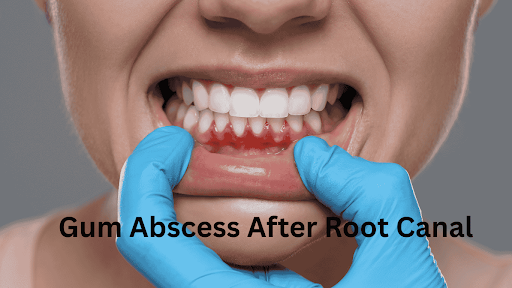
Sometimes, pain and swelling get worse instead of better. This could signal a gum abscess after root canal. Ignoring these signs can allow the infection to spread, causing more pain and potential damage.
Common Signs of Infection
Severe or Lasting Pain
Pain that does not go away is a major warning sign. It may feel sharp, throbbing, or persistent. If normal pain lasts longer than a few days or suddenly gets worse, it could be related to a root canal abscess gum problem.
Swelling in Gums or Face
Swelling around the treated area is normal at first. But if it increases or spreads to your face, it can indicate an infection. This is especially important to notice if you’ve had root canal therapy in Cypress.
Pus or Discharge
Any pus or fluid coming from the gums is a clear sign of infection. You may also notice a bad taste in your mouth. This is one of the main indicators of a root canal gum abscess.
Bad Smell from Mouth
Persistent bad breath after a root canal may signal a lingering infection. Even regular brushing may not remove the smell if a gum abscess after root canal is present.
Sensitivity That Does Not Go Away
Hot and Cold Sensitivity
Some sensitivity is normal after treatment. But if your tooth reacts painfully to hot or cold foods for several days, it may indicate a problem. This can be linked to a root canal abscess gum issue.
Pressure Sensitivity
Pain when biting or chewing is another warning sign. If the tooth feels uncomfortable when pressure is applied, it may suggest lingering infection inside the treated tooth.
Fever and General Discomfort
Signs in the Body
Fever, fatigue, or a general feeling of being unwell can accompany a dental infection. Your body signals that something is wrong beyond just the tooth.
Why It Matters
A fever could indicate that infection from a root canal therapy in Cypress is spreading. Immediate attention from a dentist is necessary to prevent serious complications.
Tooth Discoloration
Change in Tooth Color
A tooth that becomes darker or changes color after a root canal may signal internal infection. Discoloration often happens when the tooth’s pulp or surrounding tissue is compromised. This can sometimes be related to a root canal gum abscess.
Swollen Lymph Nodes
Neck or Jaw Swelling
Infections can affect nearby lymph nodes. Swollen or tender nodes in your neck or jaw may accompany a gum abscess after root canal. This is another reason to see your dentist promptly in Cypress.
Causes of Infection After Root Canal
- Incomplete cleaning of canals during treatment
- Bacteria entering the tooth after the procedure
- Cracks or damage in the tooth that allow infection
Understanding these causes can help you prevent future issues and maintain proper dental care after root canal therapy in Cypress.
When to See a Dentist
- Pain lasts more than a few days
- Swelling or pus develops
- Fever or body weakness appears
Delaying treatment can worsen the infection. If you notice any of these signs, contact a dentist experienced in root canal therapy in Cypress immediately.
How to Prevent Infection
Follow Aftercare Instructions
Take medicines exactly as prescribed. Avoid skipping antibiotics or painkillers if they are recommended. Brush and rinse carefully around the treated tooth to keep it clean.
Regular Dental Visits
Follow-up appointments after a root canal help your dentist detect any early issues. Regular checkups also allow for early treatment if a root canal abscess gum begins to form.
Conclusion
Infections after a root canal are not common, but they can happen. Watch for persistent pain, swelling, pus, bad breath, or fever. Early detection of a gum abscess after root canal can save your tooth and prevent complications.
If you live in Cypress, stay aware of these symptoms and seek professional help immediately if anything seems off. Proper care and follow-ups after root canal therapy in Cypress ensure a healthy recovery and long-lasting dental health.
FAQs
What are the warning signs of root canal infection?
Look for severe or lasting pain, swelling, pus, bad breath, and fever. Any of these symptoms may indicate a root canal gum abscess that needs prompt dental attention.
How soon after a root canal can infection appear?
Infection can appear a few days to a couple of weeks after treatment. Persistent symptoms beyond the normal healing period should be checked by your dentist to prevent a gum abscess after root canal from worsening.
Can root canal abscess gum be treated at home?
Minor discomfort can be managed with painkillers temporarily. However, actual infection requires professional treatment. Ignoring a root canal abscess gum can worsen the problem and may lead to tooth loss.