Cryotherapy has become one of the most talked-about wellness and recovery treatments in recent years. From professional athletes to fitness enthusiasts and wellness clinics, people are turning to extreme cold therapy for faster recovery, pain relief, and overall health improvement. But what exactly is cryotherapy, how does a cryotherapy chamber work, and is it something worth trying or even investing in for home use?
This guide breaks it all down in a simple, expert-backed, and easy-to-understand way.
1. Introduction to Cryotherapy
Cryotherapy literally means “cold therapy.” It involves exposing the body to extremely low temperatures for a short period of time. The idea behind it is simple: controlled cold exposure can stimulate natural healing responses in the body.
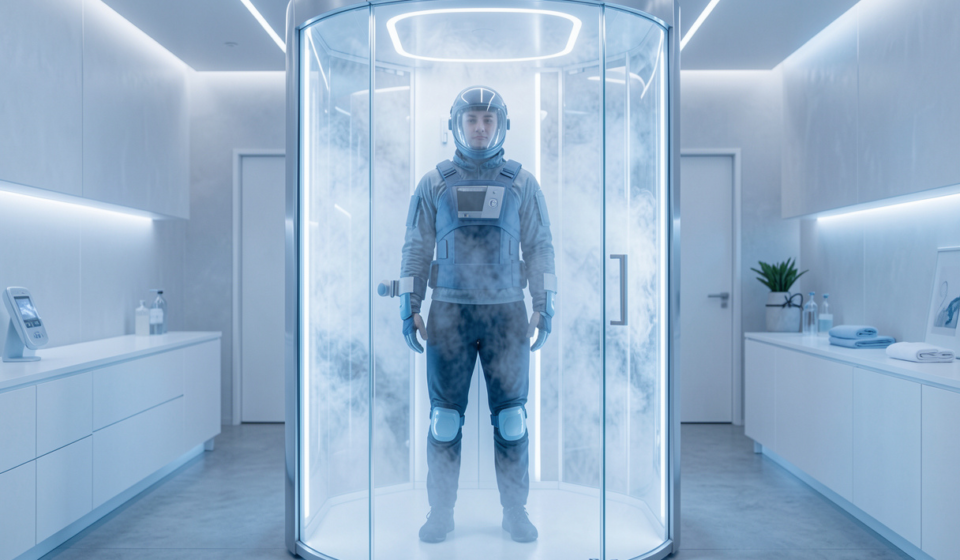
There are different forms of cryotherapy, but the most popular modern version is whole-body cryotherapy, where a person stands inside a specially designed cryotherapy chamber that cools the body using liquid nitrogen or refrigerated cold air.
The exposure typically lasts between 2 to 4 minutes, but in that short time, the body undergoes significant physiological changes.
Originally developed for medical purposes in Japan in the late 1970s, cryotherapy is now widely used in sports recovery, beauty treatments, pain management, and wellness clinics worldwide.
2. How Cryotherapy Works in the Body
When you enter a cryotherapy chamber, your skin temperature drops rapidly while your core body temperature remains stable. This controlled cold shock triggers several biological responses.
First, blood vessels constrict (vasoconstriction), which helps reduce inflammation and swelling in muscles and joints. Once you step out of the chamber, blood flow increases again (vasodilation), delivering oxygen-rich blood and nutrients to tissues.
This process is believed to support:
Faster muscle recovery
Reduced inflammation
Pain relief
Improved circulation
Cold exposure also stimulates the release of endorphins—natural chemicals in the brain that improve mood and reduce pain perception. This is why many users report feeling energized and refreshed after a session.
At a deeper level, cryotherapy may also activate the nervous system and metabolic processes, though research is still ongoing in this area.
3. Types of Cryotherapy Treatments
Cryotherapy is not limited to just one method. It comes in several forms, each with different applications and equipment.
Whole-Body Cryotherapy (WBC)
This is the most well-known form and uses a cryotherapy chamber. The person stands inside the chamber while cold air or nitrogen gas rapidly lowers the temperature. It is commonly used in sports clinics, spas, and wellness centers.
Localized Cryotherapy
This method targets specific body parts using a handheld device that sprays cold air. It is often used for injuries like sprains, joint pain, or muscle inflammation.
Home Cryotherapy Machine Options
With rising demand, some companies now offer portable or compact systems for personal use. A home cryotherapy machine is designed for localized treatment or mild whole-body exposure, but it is not as powerful as professional-grade chambers.
While convenient, home devices are typically best suited for recovery maintenance rather than intensive therapeutic use.
4. Key Benefits of Cryotherapy
Cryotherapy has gained popularity because of its wide range of potential benefits. Although results can vary from person to person, many users report noticeable improvements in recovery and well-being.
1. Muscle Recovery and Sports Performance
Athletes often use cryotherapy to recover faster after intense workouts. The cold exposure helps reduce muscle soreness and inflammation, allowing quicker return to training.
2. Pain and Inflammation Relief
People suffering from arthritis, joint pain, or chronic inflammation may experience temporary relief after sessions in a cryotherapy chamber.
3. Improved Circulation
The rapid constriction and expansion of blood vessels can improve blood flow, which supports tissue repair and detoxification.
4. Skin Health and Anti-Aging Effects
Some users report improved skin tone and reduced signs of aging due to increased collagen stimulation and reduced inflammation.
5. Mood and Energy Boost
The release of endorphins during cryotherapy can help improve mood, reduce stress, and increase energy levels.
While these benefits are promising, it’s important to remember that cryotherapy is a supportive therapy, not a replacement for medical treatment.
5. What to Expect in a Cryotherapy Chamber Session
If you are trying a cryotherapy chamber for the first time, the experience may feel unusual but is generally safe and quick.
Before entering, you will be provided with protective clothing such as gloves, socks, and sometimes face protection. This is to protect extremities from extreme cold.
Once inside the chamber, temperatures can drop between -110°C to -140°C (-166°F to -220°F). Despite this extreme cold, the dry air makes it tolerable for short durations.
A typical session lasts 2 to 3 minutes. During this time, you may feel an intense cold sensation followed by numbness or tingling. Most users describe it as refreshing rather than painful.
After exiting, your body warms up quickly, and many people feel an immediate boost in energy and alertness.
6. Buying a Cryotherapy Chamber or Home Device
With growing interest in wellness technology, many clinics and fitness centers are now looking to expand services by investing in cryotherapy systems. If you’re considering entering this market or upgrading your facility, choosing the right equipment is crucial.
Things to Consider Before You Buy a Cryotherapy Chamber
A professional-grade chamber is a significant investment, often used in commercial wellness centers, sports facilities, and rehabilitation clinics.
Home Cryotherapy Machine Options
For individuals, a home cryotherapy machine may seem like a convenient alternative. These devices are usually more compact and affordable but come with limitations in temperature range and overall effectiveness.
They are best for:
Mild muscle recovery
Localized pain relief
Regular wellness routines
However, they do not fully replicate the deep cooling effects of a full cryotherapy chamber.
Is It Worth the Investment?
If you are running a wellness business, spa, or sports recovery center, cryotherapy can be a valuable addition due to high client demand. For personal use, it depends on your fitness goals, recovery needs, and budget.
Conclusion
Cryotherapy is more than just a wellness trend—it is a scientifically inspired therapy that uses extreme cold to support recovery, reduce inflammation, and improve overall well-being. Whether experienced in a professional cryotherapy chamber or through a home cryotherapy machine, the treatment offers a unique approach to health and performance optimization.
As research continues to evolve, cryotherapy is likely to become even more widely adopted in sports medicine, rehabilitation, and wellness industries.
If you’re considering advanced recovery tools or planning to invest in cryotherapy equipment, understanding how it works is the first step toward making an informed decision.