

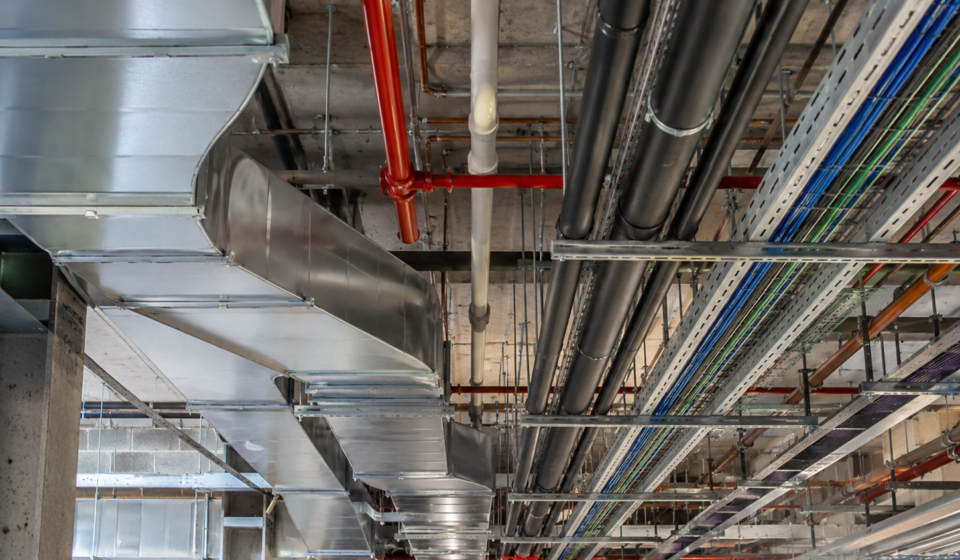

MEP systems are the working backbone of any building. A project may have a strong structure and attractive design, but it cannot function properly without mechanical, electrical, and plumbing systems. These systems support heating, cooling, ventilation, lighting, power, water supply, drainage, fire safety, and daily comfort for the people who use the building.
Table Of Content
- Why This Topic Matters for USA Construction Teams
- What This Guide Will Cover
- What Are MEP BIM Services?
- Why 3D Modeling Is Better for MEP Coordination
- Why MEP BIM Services Are Important
- Early Problem Solving Saves Time
- Key Benefits of MEP BIM Services
- Better Communication Across Teams
- How MEP BIM Supports Mechanical Systems
- Why HVAC Coordination Matters
- How MEP BIM Supports Electrical Systems
- Better Planning for Power and Lighting
- How MEP BIM Supports Plumbing Systems
- Why Drainage and Slopes Need Careful Planning
- Role of BIM Modeling Bentley in MEP Projects
- Why Software Choice Matters
- MEP BIM Services and Structural Coordination
- Why MEP and Structure Must Work Together
- MEP BIM Services for Different USA Project Types
- Why Project Type Changes the BIM Scope
- MEP BIM Services vs Traditional 2D Drawings
- Professional MEP BIM Process
- Why Model Review Is Important
- How MEP BIM Helps Reduce Rework
- Better Models Support Better Decisions
- What to Look for in an MEP BIM Partner
- Why Experience Matters
- Why Choose Strand Consulting Corporation for MEP BIM Services?
- Built for USA Construction Projects
- Final Thoughts
- FAQs About MEP BIM Services
- What are MEP BIM Services?
- Why are MEP BIM Services important for USA construction projects?
- What is BIM Modeling Bentley?
- Who needs MEP BIM Services?
- How does MEP BIM reduce rework?
- Does Strand Consulting Corporation provide BIM support for USA projects?
- Can MEP BIM support shop drawings?
For construction projects across the USA, planning these systems correctly is very important. Modern buildings are more detailed than ever. Ducts, pipes, cable trays, conduits, equipment, steel framing, walls, ceilings, and service areas all need to fit together in limited spaces. If these systems are not coordinated early, the project can face clashes, delays, extra costs, and field confusion.
That is why MEP BIM Services are becoming so important for contractors, engineers, architects, fabricators, and project owners. With a clear digital model, teams can see how MEP systems will fit inside the building before installation begins. At Strand Consulting Corporation, we help USA construction teams with BIM, CAD, modeling, detailing, and coordination support so projects can move with better clarity and confidence.
Why This Topic Matters for USA Construction Teams
In many USA construction projects, multiple trades work together on tight schedules. Mechanical teams need space for ductwork and equipment. Electrical teams need space for panels, conduits, cable trays, and lighting layouts. Plumbing teams need proper pipe routes, drainage slopes, and fixture connections. If these systems are planned separately, problems can appear during installation.
MEP BIM helps teams review these systems together. Instead of waiting for a problem to happen on-site, teams can find many issues in the model first. This makes planning easier and helps reduce costly rework.
What This Guide Will Cover
This guide explains what MEP BIM Services are, why they matter, how they support USA construction projects, and how BIM Modeling Bentley can help with digital project coordination. It also explains how Strand Consulting Corporation supports construction teams with reliable modeling and detailing services.
What Are MEP BIM Services?
MEP BIM Services include the digital modeling and coordination of mechanical, electrical, and plumbing systems inside a building. These services help project teams understand how major building systems will fit before the work begins in the field. Instead of reviewing only flat 2D drawings, teams can use 3D models to study routes, clearances, equipment locations, and possible conflicts.
Mechanical BIM may include HVAC units, ductwork, air handlers, diffusers, exhaust systems, and ventilation paths. Electrical BIM may include lighting layouts, power routes, conduits, panels, cable trays, and low-voltage systems. Plumbing BIM may include water supply lines, sanitary piping, storm drainage, gas lines, fixtures, and equipment connections.
When all these systems are modeled together, the team gets a much clearer view of the project. This helps improve coordination between trades and reduces the chance of surprises during construction. For companies that need accurate digital support, Strand’s BIM modeling services can help create better project information for planning, review, and coordination.
Why 3D Modeling Is Better for MEP Coordination
MEP systems often run through tight areas above ceilings, inside walls, below floors, and around structural framing. In 2D drawings, it can be hard to understand how everything fits in real space. A 3D BIM model gives teams a better view of system routes and elevations.
This makes it easier to check if a duct has enough space, if a pipe route works, if conduit conflicts with other systems, or if equipment can be accessed later for maintenance. Better visibility leads to better decisions.
Why MEP BIM Services Are Important
MEP BIM Services are important because building systems are complex. A small conflict in the model can become a big problem on-site if it is not handled early. For example, a duct may run into a beam, a pipe may block a ceiling space, or electrical conduit may conflict with plumbing lines. These issues can delay installation and increase labor costs.
With MEP BIM, project teams can review system layouts before construction reaches that stage. They can find clashes, adjust routes, and improve coordination while changes are still easier to make. This can help protect schedules and reduce stress for contractors and field teams.
For USA projects, this kind of planning is especially valuable because many jobs involve strict deadlines, multiple subcontractors, and high owner expectations. A coordinated model gives the full team a stronger foundation before work begins.
Early Problem Solving Saves Time
Finding problems early is one of the biggest benefits of MEP BIM. When a clash is found during modeling, the team can discuss it and fix it before materials are installed. This is much easier than fixing the same issue after workers are already on-site.
Early problem solving can reduce rework, wasted materials, schedule delays, and confusion between trades. It also helps teams work with more confidence.
Key Benefits of MEP BIM Services
MEP BIM Services can support many parts of a construction project. They help teams communicate better, plan more clearly, and avoid common coordination problems. A strong BIM model can become a shared source of information for architects, engineers, contractors, fabricators, and project managers.
Main benefits include:
- Better coordination between mechanical, electrical, and plumbing trades
- Early clash detection before field installation
- Clearer system routes and equipment locations
- Better understanding of ceiling and wall spaces
- Improved shop drawing support
- Fewer field changes and delays
- Better communication between project teams
- More accurate project planning
- Stronger support for contractors and fabricators
- Better confidence before construction begins
These benefits matter because construction mistakes can be expensive. If a project team can find and solve issues in the model, they can avoid many problems that would be harder to fix later.
Better Communication Across Teams
MEP BIM gives different trades a shared view of the project. This helps reduce guesswork. Mechanical, electrical, plumbing, structural, and architectural teams can review the same model and understand how their work connects with others.
Good communication is one of the strongest ways to reduce project risk. When teams understand the same information, they can make faster and better decisions.
How MEP BIM Supports Mechanical Systems
Mechanical systems are a major part of building comfort and performance. These systems often include HVAC equipment, ductwork, air distribution, ventilation, exhaust, and control-related spaces. In many buildings, mechanical systems take up large ceiling areas and need clear paths through the structure.
MEP BIM helps mechanical teams plan duct routes, equipment placement, access zones, and clearances. This is important because ducts can be large and may conflict with beams, ceilings, pipes, or electrical trays. If these issues are not resolved early, mechanical installation can become difficult and costly.
A coordinated mechanical BIM model helps the team see where the system should go. It also helps installers understand the design more clearly. This can reduce confusion and improve project flow.
Why HVAC Coordination Matters
HVAC systems need enough space to work properly. Ducts, air handlers, diffusers, and exhaust systems must be placed correctly for airflow and access. MEP BIM helps identify space issues and makes it easier to coordinate HVAC work with other building systems.
How MEP BIM Supports Electrical Systems
Electrical systems need careful planning because they connect many parts of the building. Lighting, power distribution, panels, conduits, cable trays, emergency systems, and low-voltage pathways all need proper routing and clear access.
MEP BIM helps electrical teams plan routes and avoid conflicts with mechanical and plumbing systems. It also helps show where panels, switches, fixtures, and pathways should be placed. This makes it easier for teams to understand the electrical layout before work begins.
In busy construction projects, electrical coordination is very important because changes can affect many other trades. A clear BIM model helps reduce mistakes and keeps the installation process more organized.
Better Planning for Power and Lighting
Power and lighting systems affect the daily use of a building. If these systems are not planned clearly, installation can become confusing. BIM helps show fixture placement, conduit paths, panel locations, and service routes in a more visual way.
How MEP BIM Supports Plumbing Systems
Plumbing systems need careful attention because pipes must follow proper routes, slopes, and clearances. Water supply lines, sanitary piping, storm drainage, gas piping, fixtures, and equipment connections all need to fit within the building layout.
MEP BIM helps plumbing teams understand pipe routes and avoid conflicts with other systems. It also helps identify areas where pipes may need more space or better coordination. This is especially useful in buildings with tight ceiling spaces, multiple floors, or complex utility rooms.
Plumbing mistakes can become expensive if they are found late. A coordinated BIM model helps teams review these systems earlier and make better decisions before installation.
Why Drainage and Slopes Need Careful Planning
Drainage systems often need proper slope to work correctly. This can make coordination more difficult because pipes cannot always be moved freely. MEP BIM helps teams review these routes and coordinate them with structure, ceilings, and other MEP systems.
Role of BIM Modeling Bentley in MEP Projects
BIM Modeling Bentley can support project teams that need strong digital modeling, documentation, and coordination workflows. Bentley-based tools are often used for building design, infrastructure-related projects, engineering workflows, and model-based project review. For MEP projects, these workflows can help teams visualize systems, coordinate disciplines, and improve project documentation.
BIM Modeling Bentley can be especially useful for complex projects where different systems and teams need clear digital information. It can help support coordination between design and construction teams. It can also help improve the way models, drawings, and project data are reviewed.
For Strand Consulting Corporation, the main goal is not only to use software, but to support better project outcomes. Whether a project needs Bentley-based modeling, Revit workflows, Tekla support, CAD drawings, or coordinated BIM deliverables, the purpose remains the same: clearer information, fewer conflicts, and better planning.
Why Software Choice Matters
Different projects may need different BIM tools. Some projects may require Bentley workflows, while others may use Revit, Tekla, AutoCAD, or other platforms. A good BIM partner understands how to work with the required software and project standards.
The right tool can help improve coordination, but the quality of the model still depends on the skill and experience of the team creating it.
MEP BIM Services and Structural Coordination
MEP systems must fit around structural elements. Beams, columns, slabs, braces, walls, and openings can all affect mechanical, electrical, and plumbing routes. If structural and MEP systems are not coordinated properly, field teams may face major installation issues.
This is why MEP BIM often works closely with structural modeling. When MEP routes are reviewed against structural framing, teams can find conflicts early. For example, a large duct may need to avoid a beam, or a pipe route may need to pass through a planned opening.
Strand Consulting Corporation also provides structural steel modelling and detailing for projects that need accurate steel modeling, detailing support, and better construction planning. This can work alongside MEP BIM coordination to help teams understand how building systems connect with structural elements.
Why MEP and Structure Must Work Together
MEP systems cannot be planned in isolation. They must fit inside the building structure. When MEP and structural models are reviewed together, teams can reduce clashes and improve constructability.
This helps contractors avoid last-minute changes, site delays, and costly coordination problems.
MEP BIM Services for Different USA Project Types
MEP BIM Services can support many types of projects across the USA. Every building needs working systems, but each project has different coordination needs. A hospital, school, office building, warehouse, and mixed-use development will not have the same MEP requirements.
MEP BIM can support:
- Commercial buildings
- Residential developments
- Hospitals and healthcare facilities
- Schools and universities
- Warehouses
- Industrial buildings
- Office buildings
- Retail spaces
- Hotels
- Mixed-use projects
- Infrastructure-related facilities
For example, a healthcare project may need detailed coordination because of medical systems, strict equipment layouts, and complex mechanical needs. A warehouse may need large open spaces with properly coordinated fire protection, lighting, and ventilation. An office building may need careful HVAC and electrical planning for comfort and daily operations.
Why Project Type Changes the BIM Scope
Not every project needs the same level of detail. A simple building may need basic coordination, while a large technical facility may need a much deeper BIM process. The BIM scope should match the project size, use, and construction needs.
MEP BIM Services vs Traditional 2D Drawings
Traditional 2D drawings are still useful, but they do not always show the full building picture. MEP systems move through different levels, heights, and spaces. A flat drawing can make it hard to understand how everything fits together.
A 3D BIM model gives a clearer view. It shows equipment locations, routing, elevations, and possible conflicts in a way that is easier to understand. This helps teams review the project before construction work begins.
| Feature | Traditional 2D Drawings | MEP BIM Model |
|---|---|---|
| View type | Flat drawings | 3D digital model |
| Coordination | More difficult | Easier to review |
| Clash detection | Often manual | More visual and detailed |
| Field understanding | Can be limited | Clearer for teams |
| Rework risk | Higher if conflicts are missed | Lower when reviewed early |
| Communication | More back-and-forth | Better shared understanding |
Both 2D drawings and BIM models have value. However, MEP BIM gives construction teams stronger coordination support, especially for projects with complex systems.
Professional MEP BIM Process
A professional MEP BIM process follows clear steps. The purpose is to create a model that is accurate, useful, and easy for project teams to review. A good BIM model should not only look detailed; it should also support real construction decisions.
A typical process may include:
- Reviewing architectural and structural drawings
- Understanding project scope and requirements
- Creating mechanical system models
- Creating electrical system models
- Creating plumbing system models
- Coordinating MEP systems with other trades
- Checking for clashes
- Updating the model after review
- Preparing coordinated drawings
- Supporting shop drawings and field planning
This process helps teams move from design information to construction-ready coordination. It also helps reduce the risk of outdated or unclear information being used on-site.
Why Model Review Is Important
A BIM model should be reviewed regularly. As project information changes, the model may also need updates. Regular review helps keep the project aligned and prevents teams from working with old information.
Good model review can improve communication and reduce mistakes.
How MEP BIM Helps Reduce Rework
Rework is one of the biggest problems in construction. It wastes time, labor, materials, and money. Many rework issues happen because teams discover conflicts too late. MEP BIM helps reduce this risk by allowing teams to find and solve issues earlier.
If a duct conflicts with a beam, the team can adjust the route in the model. If a pipe needs more clearance, the team can review possible changes before installation. If electrical conduit overlaps with another system, the issue can be corrected before field teams begin work.
This gives contractors and project managers more control. Instead of reacting to problems on-site, they can plan better before construction reaches that stage.
Better Models Support Better Decisions
A clear model helps teams make better decisions because they can see the issue more clearly. This reduces guessing and helps teams discuss solutions faster.
For USA construction projects, better decisions can help protect schedules and budgets.
What to Look for in an MEP BIM Partner
Choosing the right BIM partner is important. A good BIM partner does more than create a model. They understand construction, coordination, trade requirements, drawings, and project communication.
When choosing an MEP BIM partner, look for:
- Experience with MEP coordination
- Understanding of construction drawings
- Ability to work with multiple trades
- Clear communication
- Accurate modeling process
- Clash detection support
- Shop drawing support
- Knowledge of BIM tools
- Experience with USA-based projects
- Ability to support deadlines
The right partner can make the BIM process smoother and more useful. They can help project teams reduce confusion and plan with better accuracy.
Why Experience Matters
MEP BIM requires both software skill and construction understanding. A model may look good visually, but it must also make sense for real field installation. An experienced BIM team understands this difference.
Why Choose Strand Consulting Corporation for MEP BIM Services?
Strand Consulting Corporation supports USA construction teams with BIM, CAD, modeling, detailing, and coordination services. Our goal is to help contractors, engineers, architects, fabricators, and project teams work with clearer information before construction begins.
We understand that MEP systems must fit around structural and architectural elements. A small conflict can cause a large delay if it is discovered during installation. That is why our BIM support focuses on accuracy, coordination, and practical construction needs.
Our team supports projects that need MEP BIM Services, BIM Modeling Bentley workflows, BIM modeling services, structural modeling, shop drawings, steel detailing, and digital coordination support. If your project needs better model clarity or detailed construction support, you can learn more through our BIM modeling services page.
Built for USA Construction Projects
USA construction projects often involve tight schedules, multiple stakeholders, and detailed requirements. Strand Consulting Corporation supports teams that need dependable modeling and detailing support to keep projects better coordinated.
Whether your project is commercial, industrial, residential, or infrastructure-related, our team can help you move from design to construction with better project information.
Final Thoughts
MEP BIM Services play an important role in modern USA construction projects. Mechanical, electrical, and plumbing systems are too important to leave uncoordinated. These systems affect comfort, safety, building performance, and daily use.
A clear BIM model helps teams understand the project, find conflicts early, improve communication, and reduce field problems. It also supports better planning between contractors, engineers, architects, fabricators, and project owners.
Strand Consulting Corporation helps USA construction teams with BIM, CAD, modeling, detailing, and coordination support. Whether your project needs MEP BIM Services, BIM Modeling Bentley support, structural modeling, or construction-ready drawings, our team can help you plan with better accuracy.
To discuss your next project, contact Strand Consulting Corporation and get support from a team that understands BIM-driven construction needs.
FAQs About MEP BIM Services
What are MEP BIM Services?
MEP BIM Services include digital modeling and coordination for mechanical, electrical, and plumbing systems. These services help project teams understand how building systems fit together before installation begins.
Why are MEP BIM Services important for USA construction projects?
They help contractors and engineers reduce clashes, improve coordination, and avoid field rework. This is important because USA projects often involve multiple trades, tight schedules, and complex building requirements.
What is BIM Modeling Bentley?
BIM Modeling Bentley refers to BIM workflows that use Bentley-based software tools for building modeling, coordination, documentation, and project review. It can support complex building and infrastructure-related projects.
Who needs MEP BIM Services?
Contractors, architects, engineers, fabricators, owners, and construction managers can all benefit from MEP BIM. It is especially useful for projects with complex systems or limited space.
How does MEP BIM reduce rework?
MEP BIM helps teams find clashes before installation. When conflicts are corrected in the model, teams can avoid many costly field changes and delays.
Does Strand Consulting Corporation provide BIM support for USA projects?
Yes, Strand Consulting Corporation supports USA-based construction projects with BIM, CAD, modeling, detailing, and coordination services for different project needs.
Can MEP BIM support shop drawings?
Yes, MEP BIM can support clearer shop drawings and installation planning. A coordinated model helps produce better information for field teams and fabricators.