

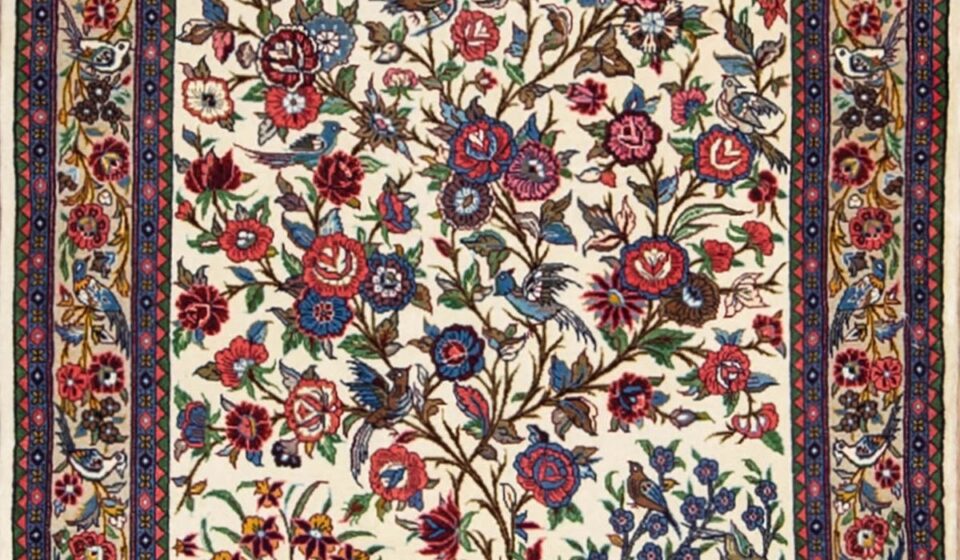

Few home furnishings carry the history, craftsmanship, and value of an authentic Persian rug. Hand-knotted by skilled artisans, often using techniques passed down through generations, these rugs can take months or even years to complete. Many are family heirlooms, while others represent a significant financial investment. Either way, a Persian rug deserves a level of care that goes far beyond ordinary rug maintenance.
Table Of Content
- What Makes a Persian Rug Different
- Why Persian Rugs Require Specialized Cleaning Knowledge
- Houston’s Climate and Its Effect on Persian Rugs
- The Professional Persian Rug Cleaning Process
- Mistakes to Avoid With Persian Rugs
- How Often Should a Persian Rug Be Cleaned?
- Choosing the Right Persian Rug Cleaning Specialist in Houston
- Serving Persian Rug Owners Across the Houston Area
- Preserving a Piece of History
For Houston homeowners, that care needs to account for the city’s specific climate challenges as well as the delicate nature of Persian rug construction. This guide explains what makes Persian rugs unique, why they require specialized cleaning, and how to protect one of the most valuable pieces in your home.
What Makes a Persian Rug Different
Persian rugs originate from Iran and are known for their intricate, often symmetrical patterns, rich color palettes, and exceptional knot density. Depending on the region and weaving tradition, a single square inch of a Persian rug can contain anywhere from a few dozen to several hundred hand-tied knots.
These rugs are typically made from wool, silk, or a wool-silk blend, with dyes that historically came from natural sources like plants, roots, and insects. Even modern Persian rugs often use dyeing techniques that mimic these traditional methods for authenticity and color depth.
This level of craftsmanship means a Persian rug behaves very differently under cleaning than a synthetic, machine-made rug. The natural fibers are more reactive to moisture, heat, and chemical exposure. The dyes, particularly in older or antique pieces, can be more prone to bleeding if not tested and handled correctly. And the hand-knotted foundation, while incredibly durable when cared for properly, can be weakened by improper washing or drying techniques.
Why Persian Rugs Require Specialized Cleaning Knowledge
Cleaning a Persian rug isn’t just about removing dirt. It’s about preserving:
- Color integrity — preventing dyes from fading, bleeding, or shifting
- Fiber strength — maintaining the structural integrity of wool or silk pile
- Foundation stability — protecting the knotted base that holds the entire rug together
- Pattern and texture — preserving the pile height and design clarity that define the rug’s character
A cleaning method that works well for a synthetic area rug can be genuinely harmful to a Persian rug. High heat can set stains permanently and damage protein-based wool fibers. Harsh detergents can strip natural oils from wool, making it brittle over time. Overly aggressive scrubbing can distort the pile and damage delicate knotting, especially in silk or fine-wool sections.
This is why Persian rug cleaning should always be treated as a specialized service, not a generalized carpet-cleaning task.
Houston’s Climate and Its Effect on Persian Rugs
Houston’s environment poses several specific risks to Persian rugs that homeowners should be aware of:
Humidity. Houston’s high humidity, especially during summer months, creates conditions where moisture can become trapped within a rug’s foundation. This is particularly risky for Persian rugs placed on concrete slab flooring, which tends to hold moisture and can transfer it into the base of the rug. Left unaddressed, this can lead to mold, mildew, and unpleasant odors, along with weakening of the foundation fibers.
Intense sun exposure. Direct sunlight through windows can cause noticeable fading in Persian rugs over time, particularly affecting the vibrant reds, blues, and golds that these rugs are known for. UV exposure also gradually weakens fiber strength.
Dust and allergens. Houston’s dust levels and long pollen season mean Persian rugs, like all rugs, accumulate significant airborne particulate matter. Because Persian rugs often have dense, tight knotting, dust can become deeply embedded and harder to remove with home vacuuming alone.
Sudden weather shifts. Houston’s pattern of heavy rain followed by high heat and humidity can create fast-changing indoor moisture conditions, especially near entryways or windows, that affect rug fibers over time.
The Professional Persian Rug Cleaning Process
Persian rugs deserve a meticulous, multi-stage cleaning process. Here’s what that typically involves:
Inspection and dye testing. Before any cleaning begins, the rug should be examined for fiber content, existing damage, and dye stability. Colorfastness testing is essential, especially for antique or vegetable-dyed rugs, to ensure the cleaning process won’t cause bleeding.
Deep dusting. Persian rugs often hold significant dry soil deep within their tight weave. Specialized dusting equipment vibrates the rug to release this embedded dirt before any water is introduced, a step that prevents dirt from turning into mud during washing.
Pre-treatment. Stains, pet accidents, or heavily soiled areas are treated individually, using solutions appropriate for wool or silk fibers.
Gentle, controlled washing. Depending on the rug’s condition, this may involve hand-washing techniques designed specifically for delicate, hand-knotted rugs, using pH-balanced solutions that won’t strip natural fiber oils or affect dye stability.
Thorough rinsing. Removing all cleaning residue is critical, both for the rug’s appearance and to prevent leftover soap from attracting new dirt.
Careful, even drying. This step is especially important for Persian rugs. Uneven or overly slow drying can cause fiber distortion, color bleeding, or mold growth, particularly in Houston’s humid climate. Proper drying typically involves controlled airflow and monitored humidity.
Final grooming and inspection. The pile is groomed to restore its original texture and pattern definition, followed by a detailed quality check.
Because of the value and delicacy involved, this process should never be rushed, and it should always be handled by someone with specific experience in Persian and other hand-knotted rugs.
Mistakes to Avoid With Persian Rugs
Given how much value and history these rugs often carry, avoiding common mistakes is essential:
- Never use bleach, ammonia, or standard household carpet cleaners. These can permanently damage both dyes and fibers.
- Avoid steam cleaning. Excess heat and moisture can cause dye bleeding and weaken wool fibers.
- Don’t scrub stains. Blot gently instead, and contact a professional as soon as possible.
- Don’t let a wet rug sit on hard flooring. This traps moisture against the foundation and increases mold risk.
- Avoid direct sunlight for extended drying. This can cause uneven fading.
- Don’t wait too long between cleanings. Embedded dirt acts abrasively on fibers over time, accelerating wear.
If an accident happens, blotting immediately with a clean, dry cloth and calling a professional is almost always the safest course of action.
How Often Should a Persian Rug Be Cleaned?
Most Persian rugs benefit from professional cleaning every 12 to 24 months, depending on foot traffic, household pets, and environmental exposure. Rugs in formal, low-traffic rooms may need less frequent cleaning, while those in living rooms, hallways, or homes with pets and children may need attention closer to the one-year mark.
Because Persian rugs are often long-term investments meant to last generations, consistent maintenance is far more effective, and more affordable in the long run, than reactive cleaning after visible damage or staining occurs.
Choosing the Right Persian Rug Cleaning Specialist in Houston
Persian rugs deserve a cleaner who treats them as the specialized pieces they are. When researching a provider, look for:
- Specific experience with Persian and other hand-knotted rugs, not just general carpet cleaning
- A clear process for dye testing before cleaning begins
- Attention to proper drying methods suited to Houston’s humidity
- Willingness to answer detailed questions about their cleaning methods and equipment
- A track record of handling valuable or antique rugs with appropriate care
A rug that has taken months to weave by hand, and that may hold significant sentimental or financial value, deserves nothing less than an expert-level approach to its care.
Serving Persian Rug Owners Across the Houston Area
Persian rug cleaning in Houston, TX tends to be concentrated in the metro’s more established, upscale neighborhoods, where homeowners often have multi-generational or investment-grade pieces. We regularly provide Persian rug cleaning in River Oaks, Persian rug cleaning in Memorial, Persian rug cleaning in West University Place, Persian rug cleaning in Tanglewood, Persian rug cleaning in Bellaire, and Persian rug cleaning in the Museum District, as well as Persian rug cleaning in Sugar Land, Persian rug cleaning in The Woodlands, and Persian rug cleaning in Katy.
Homes in older neighborhoods like River Oaks and Memorial often have antique or semi-antique Persian rugs that require extra-gentle handling due to their age and dye composition. Newer homes throughout Katy, Sugar Land, and Cypress typically sit on slab foundations, which, paired with Houston’s humidity, makes controlled, thorough drying an essential part of the cleaning process. No matter where in the Houston area your Persian rug lives, the same principles of gentle, specialized care apply.

Preserving a Piece of History
A Persian rug is never just a floor covering. It’s a piece of craftsmanship, tradition, and often family history. With proper care, including routine professional cleaning suited to Houston’s climate, these rugs can remain vibrant and structurally sound for generations.
Taking the time to understand what your Persian rug needs, and choosing a cleaning provider with genuine expertise in handling these pieces, is one of the best ways to protect an investment that, in many cases, simply cannot be replaced.