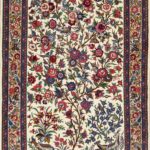


Oriental rugs are treasured for their craftsmanship, beauty, and durability, but that durability depends heavily on proper care and cleaning. Unlike standard wall-to-wall carpeting, oriental rugs are typically hand-knotted from natural fibers like wool and silk, and they require specialized cleaning techniques to preserve their structure, color, and long-term value. For homeowners in Scranton, PA, understanding the right approach to oriental rug cleaning can mean the difference between a rug that lasts generations and one that deteriorates prematurely.
Table Of Content
- Why Oriental Rugs Require Different Cleaning Than Standard Carpet
- The Professional Oriental Rug Cleaning Process
- 1. Inspection and Dust Removal
- 2. Pre-Treatment
- 3. Deep Washing
- 4. Rinsing
- 5. Controlled Drying
- 6. Grooming and Final Inspection
- Common Signs Your Oriental Rug Needs Professional Cleaning
- DIY Rug Cleaning Risks
- Choosing an Oriental Rug Cleaning Specialist in Scranton PA
- How Often Should Oriental Rugs Be Professionally Cleaned?
- Maintaining Your Oriental Rug Between Cleanings
- What Cleaning Costs to Expect
- Frequently Asked Questions
- Final Thoughts
Why Oriental Rugs Require Different Cleaning Than Standard Carpet
Many homeowners assume that any carpet cleaning service can handle an oriental rug the same way they’d clean wall-to-wall carpet. This is a common, and potentially costly, misconception.
Standard carpet cleaning methods, particularly high-heat steam cleaning done in-place on a hardwood or tile floor, can cause serious damage to delicate oriental rugs. Excess moisture that isn’t properly extracted can lead to dye bleeding, fiber damage, mold growth in the foundation, or even shrinkage. Additionally, many oriental rugs have fringe and delicate edge bindings that require careful, specialized handling to avoid fraying or damage.
Proper oriental rug cleaning typically involves removing the rug from the home and cleaning it in a controlled facility, where technicians can thoroughly inspect the rug, test for colorfastness, and use cleaning methods appropriate for its specific material and construction.
The Professional Oriental Rug Cleaning Process
A quality rug cleaning specialist in the Scranton PA area typically follows a multi-step process designed to deep clean the rug while protecting its integrity:
1. Inspection and Dust Removal
Before any wet cleaning begins, the rug is thoroughly inspected for existing damage, stains, and colorfastness. A crucial early step involves removing deep, dry soil, often done using specialized dusting equipment that vibrates dirt out of the base of the rug, which can otherwise act like sandpaper on the fibers over time.
2. Pre-Treatment
Stains and heavily soiled areas are pre-treated with appropriate solutions based on the rug’s fiber type (wool, silk, cotton, or blends) and the nature of the stain.
3. Deep Washing
Many professional rug cleaners use a full-immersion washing method, where the rug is submerged and gently washed by hand or with specialized equipment, ensuring cleaning solution reaches deep into the pile without damaging the foundation.
4. Rinsing
Thorough rinsing removes all cleaning residue, which is critical, leftover soap or cleaning solution can attract dirt more quickly and leave the rug looking dull.
5. Controlled Drying
Rugs are typically dried in a climate-controlled environment, often using specialized racks or drying rooms that allow air to circulate evenly on both sides, preventing mold, mildew, or fiber damage from prolonged dampness.
6. Grooming and Final Inspection
Once dry, the rug’s pile is groomed to restore its natural texture and appearance, and a final quality inspection ensures the rug is ready to return home looking its best.
Common Signs Your Oriental Rug Needs Professional Cleaning
Visible dullness or dinginess. Rugs that have lost their vibrant color and appear dull are often carrying deep, embedded dirt that regular vacuuming can’t remove.
Odors. Musty smells, pet odors, or general staleness usually indicate the rug needs a deep clean, particularly in the foundation fibers.
Visible staining. Wine, pet accidents, food, and other stains often require professional-grade treatment to fully lift without damaging the rug’s dyes.
Increased shedding or fiber breakdown. While some shedding is normal for new wool rugs, excessive fiber loss can be a sign that embedded dirt is acting abrasively on the pile.
It’s been over a year since the last cleaning. Most rug care experts recommend professional cleaning every one to three years, depending on foot traffic, pets, and household allergies.
DIY Rug Cleaning Risks
It’s tempting to try spot-cleaning or renting a carpet cleaning machine to freshen up an oriental rug at home, but this approach carries real risks:
- Color bleeding from excess water or incompatible cleaning solutions
- Fiber and foundation damage from harsh chemicals not suited for natural fibers
- Mold and mildew growth from incomplete drying
- Shrinkage or warping from improper handling
- Fringe damage from aggressive scrubbing or incorrect vacuum attachments
Given the investment many oriental rugs represent, these risks make professional cleaning a smart choice rather than an unnecessary expense.
Choosing an Oriental Rug Cleaning Specialist in Scranton PA
When searching for a rug cleaning company in the Scranton area, look for these key qualities:
Specialized rug cleaning experience. Ask specifically whether the company has experience with hand-knotted oriental and Persian rugs, not just standard synthetic area rugs.
Off-site cleaning facility. The most thorough cleaning happens away from the home, in a dedicated facility equipped for full-immersion washing and controlled drying.
Knowledge of different fiber types. Wool, silk, and cotton foundations each require different care approaches, a knowledgeable specialist will adjust their methods accordingly.
Insurance and guarantees. Given the value of many oriental rugs, work with a company that carries insurance and stands behind their cleaning process.
Positive reviews from local customers. Look for reviews specifically mentioning oriental or Persian rug cleaning, not just general carpet cleaning, to ensure relevant expertise.
Additional services. Many reputable rug cleaners also offer repair, fringe restoration, moth-damage treatment, and padding replacement, valuable if your rug needs more than just a cleaning.
How Often Should Oriental Rugs Be Professionally Cleaned?
The general recommendation from rug care experts is professional cleaning every one to three years, though this can vary based on:
- Foot traffic, rugs in high-traffic areas like entryways or living rooms may need more frequent cleaning
- Pets, households with pets often benefit from annual cleaning to address dander, accidents, and odor
- Allergies, homes with allergy sufferers may want more frequent cleaning to reduce dust mites and allergens
- Rug value and age, older or more delicate antique rugs may benefit from a gentler cleaning schedule with expert oversight
Maintaining Your Oriental Rug Between Cleanings
Vacuum regularly, but avoid using a vacuum with a beater bar directly on the rug’s pile or fringe, as this can cause fiber damage over time.
Rotate the rug every six months to a year to promote even wear and sun exposure.
Address spills immediately by blotting gently with a clean, white cloth, never rubbing, which can spread the stain and damage fibers.
Use a rug pad to reduce friction against the floor, prevent slipping, and add a layer of cushioning that reduces wear.
Keep rugs out of direct, prolonged sunlight when possible, as UV exposure can fade dyes over time.
What Cleaning Costs to Expect
Professional oriental rug cleaning pricing generally depends on:
- Size of the rug (measured in square feet)
- Material (silk rugs often require more delicate, time-intensive handling than wool)
- Condition (heavily soiled or stained rugs may require additional treatment)
- Additional services like fringe cleaning, moth treatment, or repairs
Most reputable Scranton PA rug cleaning companies offer free estimates, either in-home or with photos submitted online, so it’s worth reaching out to a few local providers for comparison.
Frequently Asked Questions
Can oriental rugs be cleaned in place, without removing them from the home? While some companies offer in-home cleaning, the most thorough and safest method for valuable oriental rugs is full-immersion cleaning at a dedicated facility, which allows for proper rinsing and controlled drying.
Will professional cleaning fade or damage the colors? No, a qualified rug cleaner will test for colorfastness before beginning the cleaning process and use appropriate, gentle methods specifically suited to the rug’s dyes and materials.
How long does the cleaning process take? Because of the careful washing and controlled drying process, professional oriental rug cleaning typically takes several days to a week, depending on the rug’s size and the cleaner’s schedule.
Is it safe to clean a very old or antique rug? Yes, when handled by an experienced specialist familiar with antique and delicate rugs. In fact, professional cleaning by an expert is often safer for antique rugs than DIY methods, which carry higher risk of damage.
Final Thoughts
An oriental rug is a long-term investment in both beauty and craftsmanship, and proper cleaning is essential to preserving that investment for years, or even generations, to come. For homeowners throughout Scranton, PA, working with a rug cleaning specialist who understands the unique needs of hand-knotted, natural-fiber rugs ensures your rug stays vibrant, healthy, and beautiful long into the future.