

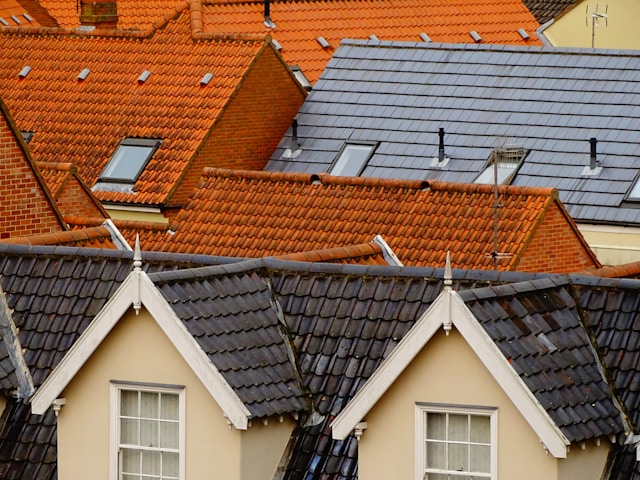

Most homeowners know that location, credit score, and claims history influence their insurance rates. However, many are surprised by how heavily their roof’s age, material, and shape factor into the equation. Your roof is the first line of defense against the elements, and insurers price your policy accordingly.
Table Of Content
Understanding this relationship puts you in a stronger negotiating position with your insurer, helps you make smarter renovation decisions, and possibly saves you hundreds of dollars a year.
Why Insurers Care So Much About Your Roof
Roofing-related claims are among the most common and costly in homeowners insurance. Wind, hail, ice, and water damage account for a significant share of residential claims each year. From an insurer’s perspective, your roof determines how vulnerable your entire home is to weather events and how expensive a claim is likely to be if something goes wrong.
A newer, well-maintained roof signals lower risk. An aging or deteriorating roof signals higher risk and higher premiums to compensate. This dynamic plays out in every aspect of your policy: your annual premium, your deductible options, your coverage limits, and in some cases, whether an insurer will cover your home at all.
Roof Age: The Single Biggest Factor
Of all roofing variables, age has the most direct impact on your premium. Most insurers operate on a sliding scale:
- Under 10 years old: You’ll typically qualify for the best available rates. Many insurers offer new-roof discounts that can reduce premiums by 20% or more.
- 10–20 years old: Rates begin to climb. Some carriers will only offer Actual Cash Value (ACV) coverage rather than Replacement Cost Value (RCV), meaning they’ll pay out a depreciated amount if you file a claim, not the full cost of a new roof.
- Over 20 years old: Some insurers may refuse to write or renew a policy entirely. Others will require a roof inspection before continuing coverage. Premiums at this stage can be substantially higher.
This is one reason consulting a roofing contractor company before your policy renewal is a wise move, especially if your roof is approaching the 15-to-20-year mark. A professional inspection gives you documentation of your roof’s actual condition, which can sometimes offset age-related premium increases if the roof has been well maintained.
Roofing Material Matters More Than You Think
Not all roofing materials are treated equally by underwriters. The material directly influences how it’s expected to perform in a storm and what it will cost to replace. Here’s a general hierarchy from an insurance standpoint:
- Metal roofing: Highly favored. Metal roofs can last 40–70 years, resist wind, fire, and impact, and often qualify for significant premium discounts.
- Class 4 impact-resistant asphalt shingles: A middle ground. These shingles carry an independent impact-resistance rating and can earn discounts of 20%–30% with many carriers. This upgrade essentially pays for itself over time.
- Standard architectural (dimensional) shingles: The industry baseline. They are generally viewed favorably, especially when new.
- 3-tab asphalt shingles: Older and thinner than architectural shingles. Some insurers are moving away from offering full replacement cost coverage on 3-tab roofs, particularly older ones.
- Wood shake: Higher fire risk classification in many states. Wood shake can lead to surcharges or coverage exclusions in wildfire-prone areas.
- Flat or low-slope roofing: Treated as higher risk due to ponding water and shorter average lifespans.
If you’re in the process of finding your perfect home, asking about the roof material and age should be part of your pre-offer checklist—not just for structural reasons, but because it will directly affect what you pay to insure the property.
Defining Roof Shape and Design
The physical geometry of your roof also influences how it performs in high-wind events and how insurers rate it:
- Hip roofs (all four sides slope downward to the walls) are considered the most wind-resistant design and are generally associated with lower premiums, particularly in storm-prone regions.
- Gable roofs (the classic triangular peak at each end) are more vulnerable to wind uplift and may carry higher premiums in areas with frequent severe weather.
- Flat roofs carry the highest risk classification for water intrusion.
In high-wind or hurricane zones, some insurers require specific roof-to-wall connection standards, like hurricane straps or clips, and will discount policies for homes that meet or exceed those standards.
Location Shapes the Equation
Where your home also plays a role in how insurers weigh roof risk. Coastal properties, tornado corridors, and hail-heavy regions face steeper roof-related surcharges than low-risk areas. Choosing a home in the best real estate location for your lifestyle means factoring in these regional insurance dynamics, not just school districts and commute times.
How Roof Condition Affects Claims Payouts
Even if you maintain your premium by keeping up with appearances, a poorly maintained roof can devastate your claims experience. Insurers investigate the condition of your roof at the time of a loss. If they determine that existing damage, deferred maintenance, or improper prior repairs contributed to the claim, they can reduce or deny the payout entirely.
This is especially relevant for homeowners who inherited older roofs when purchasing a property. Just as real estate investments require ongoing evaluation of physical assets, homeownership requires active stewardship of structural components, not just set-and-forget insurance coverage.
Annual roof inspections, prompt repair of minor damage, and documented maintenance records are your best protection against claim disputes.
5 Strategies to Lower Your Premium Through Your Roof
The relationship between your roof and your insurance isn’t one-directional. There are concrete actions you can take to reduce your premium:
- Replace an aging roof proactively. A new roof, especially one installed with impact-resistant materials, can trigger an immediate premium reduction that, over several years, offsets a huge portion of the replacement cost.
- Upgrade your shingle class. If your roof is otherwise in good condition but due for a replacement, installing Class 4 impact-resistant shingles rather than standard architectural shingles can yield meaningful annual discounts. Ask your insurer before your roofer places the order which specific products they discount.
- Document everything. Keep your original installation invoice, inspection reports, and records of repairs. When your insurer asks about your roof’s condition, documentation speaks louder than estimates.
- Shop your policy after a roof replacement. Insurers price risk differently, and a new roof makes you a more attractive customer. Get at least three quotes when your roof is new. You may find better rates than your existing carrier offers.
- Understand your deductible structure. Many policies now carry a separate, percentage-based wind/hail deductible from the standard deductible. On a $400,000 home with a 2% wind/hail deductible, you’d pay $8,000 out of pocket before coverage kicks in. Knowing this can change how you evaluate roofing upgrades.
The Bottom Line
Your roof and your insurance premium are more deeply connected than most homeowners realize. Age, material, shape, condition, and location all feed into how an insurer evaluates your risk and what they charge you for it.
The most financially savvy move is to treat your roof as a managed asset: inspect it regularly, maintain it proactively, and replace it strategically with materials that earn you discounts.
When the time comes to replace, work with a trusted roof replacement expert who can advise on materials that not only perform well but qualify for the insurance discounts that make the investment work harder for you.