
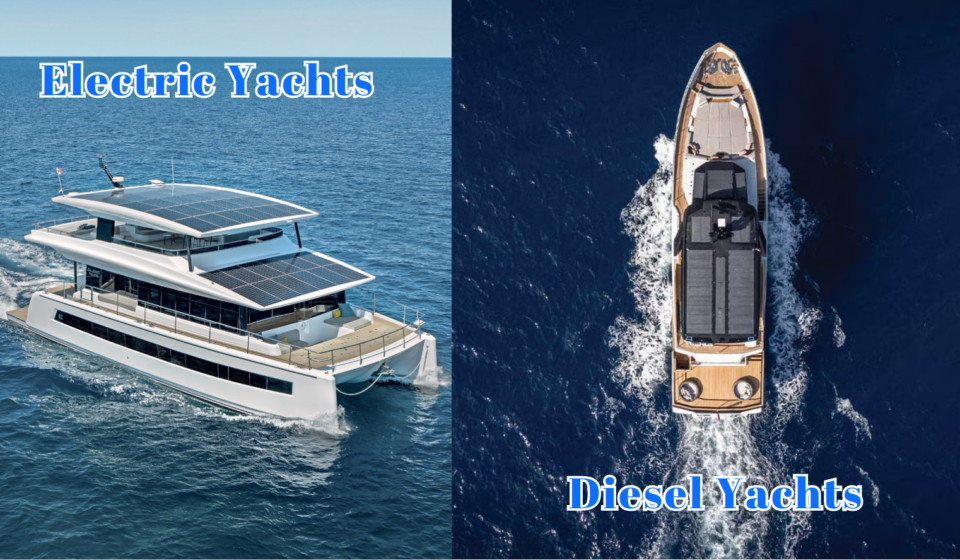

With its high temperatures, varying salinity, long cruising distances, and increasingly strict sustainability requirements, the Gulf offers a distinctive boating experience. You must now evaluate propulsion options based on criteria such as future asset value, required infrastructure, efficiency, and operating costs. To assist consumers in making an informed choice, the following comparison provides data-driven information.
Table Of Content
What Makes Gulf Waters Yacht-Friendly
The Gulf waters maintain average sea temperatures of 28–34°C, which directly affect engine cooling capacity and battery performance. The propulsion systems experience accelerated corrosion due to salinity levels exceeding normal worldwide standards.
Gulf yacht owners commonly select operators who can sustain their operations on long-range journeys and offshore travel, and who can operate at full capacity during the summer. The current yacht market in this region operates under established technology standards, yet advances in infrastructure development have transformed buyer preferences.
How Diesel Yacht Engines Perform in the Gulf
The Gulf area continues to use diesel propulsion as the primary power source for more than 85% of Middle Eastern yacht sales involving vessels exceeding 40 feet. The modern marine diesel engines provide:
- Fuel efficiency: Mid-size yachts consume 20–35 litres/hour
- Range: Long-range cruisers can travel beyond 1,000 nautical miles
- Torque: Heavy displacement hulls generate exceptionally low-end torque
- Heat tolerance: The system handles continuous operation in extreme temperature conditions
Maintenance expenses for diesel engines range from 3% to 5% of yacht value each year. Still, service networks throughout the UAE, Saudi Arabia, and Qatar offer multiple maintenance options for diesel engines.
What Makes Electric Yacht Propulsion Different?
The public space features electric and hybrid yachts, which are becoming more visible in the 30- to 50-foot leisure boating market segment. Electric propulsion systems achieve a movement efficiency rate of 85% to 90%, whereas diesel engines achieve a movement efficiency rate of 35% to 40%.
Key performance data:
- Operating costs: Electric yachts typically reduce hourly energy costs by up to 70% compared to diesel fuel expenses.
- Noise levels: Diesel systems generate 75–85 dB, while the system runs at 50 dB.
- Maintenance: There are 40–60% fewer system components requiring regular maintenance.
Batteries degrade under intense heat because they don’t last as long without adequate thermal control.
What Are the Range and Refuelling Limits?
The range is a key factor in the selection process for Gulf yacht buyers.
- Diesel yachts: Refuelling takes minutes, with fuel readily available across marinas
- Electric yachts: Battery size and marina infrastructure determine charging times between 6 and 12 hours.
Fewer than 20% of Gulf marinas offer high-capacity marine charging stations, limiting electric yachts’ range.
Which Propulsion Holds Better Resale Value in the Gulf?
The resale data obtained from yacht brokers in this area shows that
- Diesel yachts maintain their value between 65% and 75% after five years
- Electric yachts currently retain 55–65% of their value because battery replacements create concerns.
The resale value of electric propulsion systems has increased as battery warranties now cover 8–10 years, boosting buyer trust in these systems.
Final Verdict: Which Propulsion Is Right for You?
- Choose diesel if you need to travel long distances while maintaining offshore cruise capabilities with dependable refuelling.
- Choose electric if your usage is coastal, marina-based, environmentally focused, and cost-sensitive in the long run.
The decision on which propulsion system to select when evaluating yachts for sale in Gulf waters depends on cruising patterns, long-term operating budgets, and the availability of supporting infrastructure.
FAQs
Que 1: Do electric yachts have the ability to perform long Gulf trips?
Ans: Pure electric yachts are currently limited in range, making them better suited to short coastal trips than to long offshore crossings.
Que 2: Do diesel engines overheat in Gulf summers?
Ans: Modern marine diesel engines operate reliably in high-temperature environments when properly maintained.
Que 3: Are hybrid yachts a good middle ground?
Ans: Hybrid yachts combine diesel range and electric efficiency, allowing users to operate flexibly throughout the Gulf territories.