
People rarely think about their cooling system until it becomes inconvenient. By then, the damage is usually done. Here’s what actually happens in most homes.
Table Of Content
The AC starts running longer. Not dramatically longer. Just enough that you notice it’s on more often. The thermostat gets lowered a degree or two to compensate. Windows stay closed all day. Fans get turned on in certain rooms.
Instead of asking why the system changed, people adapt to it. That adjustment period is where lifespan gets lost.
The Comfort Trade-Off Nobody Talks About
When cooling performance drops slightly, most homeowners adjust their habits instead of addressing the equipment. You close the blinds earlier. You avoid using the oven during peak heat. You accept that one bedroom is warmer than the rest.
The system keeps running. It’s just not running efficiently. That quiet overuse increases operating hours every season. More operating hours mean more wear. Not because something is broken, but because the machine is compensating for reduced efficiency.
Longer cycles also affect humidity control. A system that struggles to cool often struggles to remove moisture properly. That can make the home feel warmer than the thermostat reading suggests. So the temperature gets lowered again. Runtime increases further.
This is often when people begin searching for air conditioning companies near Martinsburg, WV. Not because the system failed, but because comfort shifted enough to become noticeable. And comfort shifts long before mechanical failure happens.
Energy Bills Tell a Different Story
Most people don’t track system performance. They track bills.
If electricity usage climbs every summer without a major lifestyle change, that usually points to reduced system efficiency. Cooling equipment doesn’t suddenly start consuming more power for no reason.
Airflow imbalance, aging coils, refrigerant drift, declining motor efficiency, and duct leakage all increase energy draw. None of these problems shuts the system down immediately. They simply force it to work longer for the same result.
Over five years, that extra operating cost can equal a significant repair expense. In some cases, homeowners end up paying for inefficiency long before they pay for repairs.
The Hidden Lifespan Factor: Runtime
One of the biggest factors affecting longevity is runtime. The longer your system runs each day, the faster internal parts accumulate wear. An AC that runs eight hours daily will age differently from one that runs fourteen.
When systems are undersized for the space, they never get a real break during high heat. When they are oversized, they short-cycle, which creates a different kind of stress. Both scenarios reduce lifespan.
This is where system evaluation matters. Sometimes the solution is correcting airflow or recalibrating the thermostat. In properties that rely on combined heating and cooling units, heat pump replacement becomes part of the conversation if the equipment is operating year-round under heavy demand.
It’s less about how old the system is. It’s more about how hard it has been working.
Installation and Design Play a Bigger Role Than Expected
Many homeowners assume that brand determines durability. In reality, installation quality often matters more.
Poor duct design, airflow restrictions, and incorrect system sizing can shorten equipment life regardless of the manufacturer. If a system is fighting against structural limitations inside the home, no brand can compensate for that long-term.
Even something as simple as poorly sealed duct connections can force the unit to work harder than necessary. That additional strain shows up over time.
Replacing a system without addressing those underlying issues often leads to the same performance complaints within a few years.
What Drives Replacement Costs
When it does become time to replace, the cost depends on specific factors.
System size must match square footage and layout. Efficiency ratings affect upfront pricing and long-term savings. Higher efficiency models cost more initially but reduce operating expenses over time.
Installation complexity also plays a role. Older ductwork may need modification. Electrical panels may require updates. Limited attic or crawl space access increases labor time.
Even the property layout influences pricing. Multi-level homes, additions, or converted spaces change airflow requirements and installation planning. Understanding these variables helps homeowners plan ahead instead of reacting to emergency breakdowns.
Maintenance Is Really About Control
Maintenance is not about avoiding every future repair. It is about controlling how and when repairs happen.
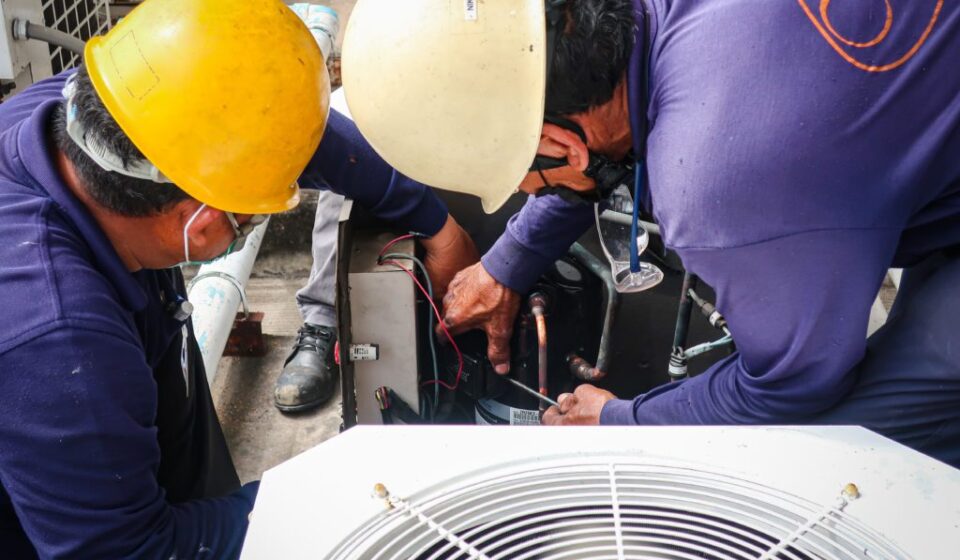
Replacing filters regularly keeps airflow stable. Clearing debris around the outdoor unit ensures proper heat exchange. Scheduled inspections verify electrical connections, refrigerant balance, and system calibration. These steps reduce unnecessary runtime and keep wear predictable.
Cooling systems are long-term equipment investments. They respond well to steady oversight and poorly to neglect, followed by emergency action. Homeowners and property managers who monitor performance instead of waiting for failure usually get more usable years from their equipment.
For those looking for realistic system evaluations and practical long-term planning, trusted teams like Techstar Mechanical Services llc. works with property owners to assess workload, runtime patterns, and overall system condition so cooling equipment lasts as long as it reasonably can.