
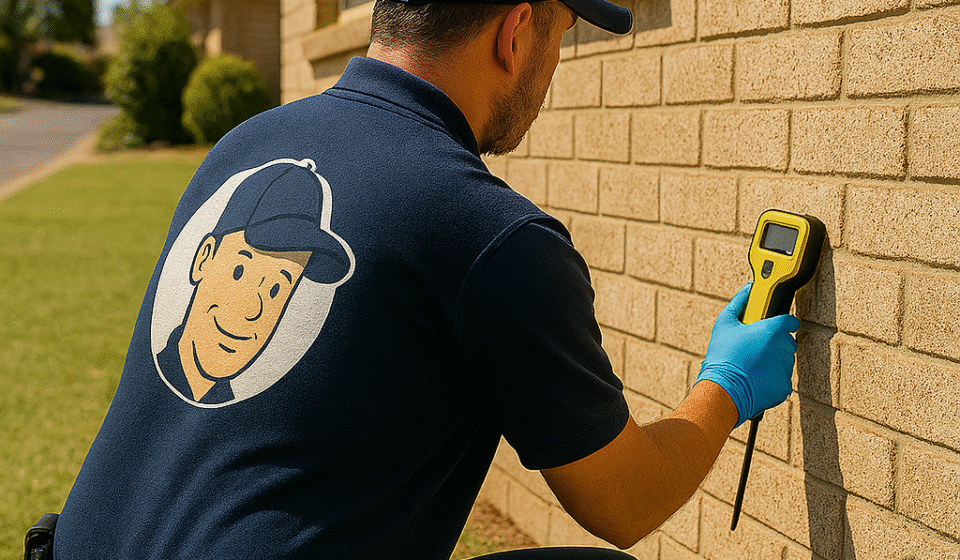

Australia is known for its harsh weather, wildlife, and unpredictable climate. But one threat remains almost invisible while causing more damage than storms and fires combined – termites. They don’t make noise, they don’t rush into homes the way rodents do, and most homeowners only realise they have termites when the damage becomes impossible to ignore.
Table Of Content
- Why Termites Are Australia’s Silent Destroyers
- How Termites Enter a Home
- Warning Signs Homeowners Should Watch For
- The Hidden Financial Cost of Ignoring Termites
- Why DIY Termite Treatments Often Fail
- How Professional Termite Protection Works
- Practical Tips Every Homeowner Should Follow
- Australian Climate and Termite Activity
- Final Thoughts
Despite the scale of destruction, termites are often overlooked during home maintenance. Many people assume they’ll never encounter an infestation or believe their modern home is protected because the timber is treated. Unfortunately, termites don’t discriminate. Whether a property is old, new, coastal, inland, brick, or timber-framed, termites can still find their way in.
This article takes a deeper look into the hidden cost of ignoring termites, how they operate, and the steps Australian homeowners can take to protect their homes before it’s too late.
Why Termites Are Australia’s Silent Destroyers
Termites are uniquely equipped to survive in Australia’s climate. Warm temperatures, humidity, rainfall, and abundant timber create ideal conditions for colonies to thrive. Queensland in particular has some of the highest termite pressure in the country.
Unlike pests that are easily seen or heard, termites remain hidden. They live inside wood, soil, and wall cavities, working quietly and continuously. A mature termite colony can house hundreds of thousands of workers, all capable of feeding around the clock.
What makes termites especially dangerous is that they don’t feed on the surface of timber. They hollow it out from the inside. A beam, door frame, or skirting board can look perfectly intact until touched — and then crumble in seconds. This hidden destruction is what leads to such high repair costs and emotional stress for homeowners.
How Termites Enter a Home
People often imagine termites simply chewing their way through exposed wood, but the reality is far more complex. Termites use several strategies to infiltrate a home, including:
1. Underground entry through soil
Most destructive termite species build nests underground. They construct mud tunnels to access timber inside a home while staying protected from light and dry air.
2. Winged swarmers
During humid months, reproductives fly out to establish new colonies. These swarmers can land on roofs, gutters, and structural gaps.
3. Through cracks as small as 2mm
Termites don’t need wide openings. Tiny cracks in concrete slabs, gaps in brickwork, and poorly sealed service penetrations are easy pathways.
4. Timber-to-soil contact
Retaining walls, fences, garden beds, and timber decks that touch the soil give termites direct access to the house.
Homeowners are usually unaware these conditions exist, which is why professional assessments remain essential.
Warning Signs Homeowners Should Watch For
Termites may be difficult to detect, but they do leave clues. Recognising these signs early can prevent major structural damage.
Hollow-sounding timber
When termites hollow out wood, it becomes thin and brittle. Tapping it can reveal a drum-like sound.
Mud tubes
These pencil-sized tunnels are visible on foundations, walls, or subfloors. They protect termites from predators and dry air.
Sagging floors or spongy boards
Structural weakening often causes floors to bend or feel soft.
Peeling paint
Termite activity can create moisture behind walls, making paint bubble or peel — often mistaken for water damage.
Discarded wings
After swarming, termites shed wings near doors, windows, and lights.
Any of these signs warrants immediate investigation.
The Hidden Financial Cost of Ignoring Termites
One of the biggest misconceptions is believing that homeowners insurance covers termite damage. In most cases, it doesn’t. Termite damage is classified as preventable through proper maintenance, which leaves homeowners responsible for the full cost of repairs.
Repairing termite damage can range from a few thousand dollars for minor structural issues to tens of thousands for severe infestations affecting support beams or flooring. In some cases, homeowners have had to replace entire sections of roofs, subfloors, and wall frames.
Beyond repair costs, termites can also reduce a property’s value. Real estate inspections often uncover termite activity or past damage, which can make potential buyers hesitant or demand price reductions. Regular termite checks not only protect the structure but also maintain long-term property value.
Why DIY Termite Treatments Often Fail
Many homeowners turn to DIY sprays or baits when they suspect termite activity. While these products may kill visible termites, they rarely eliminate the colony. Termites live deep inside timber and underground tunnels, far beyond the reach of surface treatments.
DIY attempts can even make things worse. If termites feel disturbed, they may split the colony and spread to multiple areas of the home — a behaviour known as budding.
Professional termite control involves targeted treatment strategies, specialised tools, and a deep understanding of termite behaviour. This is not something that can be replaced by supermarket products or online hacks.
How Professional Termite Protection Works
Australian termite specialists typically rely on three proven strategies:
Chemical barriers
A protective zone is applied around the perimeter of the property. When termites attempt to pass through, they transfer the product back to the colony, eliminating it.
Baiting systems
Stations are strategically placed around the property to intercept foraging termites. These slow-acting baits spread through the colony, ensuring complete elimination.
Direct treatments
Foam, dust, or liquid products are injected into active termite workings inside walls or timber. This is used when activity is already present.
A thorough inspection is always the first step before recommending any treatment, as no two properties are the same.
Practical Tips Every Homeowner Should Follow
There are simple ways to reduce the likelihood of termites choosing your home:
-
Fix leaking taps, gutters, and drainage issues
-
Reduce moisture around foundations
-
Keep garden beds and mulch away from walls
-
Remove old timber or tree stumps
-
Ensure subfloors have adequate ventilation
-
Store firewood away from the home
-
Seal cracks in concrete slabs and brickwork
These steps won’t eliminate termites, but they make your home far less attractive to them.
Australian Climate and Termite Activity
Termites are active year-round in many Australian regions, particularly along the east coast. Warm, humid weather accelerates their growth and feeding activity. After heavy rain, termites often become more active because moisture softens soil and timber, making it easier for them to forage.
Homeowners should be especially vigilant during late spring and summer, when swarming season peaks. Seeing flying termites is one of the strongest signs that a colony is nearby.
Final Thoughts
Termites may not be as visible as other pests, but their impact is far more severe. Ignoring early signs or assuming your home is safe can lead to major structural damage and significant financial loss.
The best defence is awareness. Learn the signs, keep an eye on risk factors, and schedule regular inspections. By staying proactive, Australian homeowners can protect their property from one of nature’s most silent but destructive forces.