
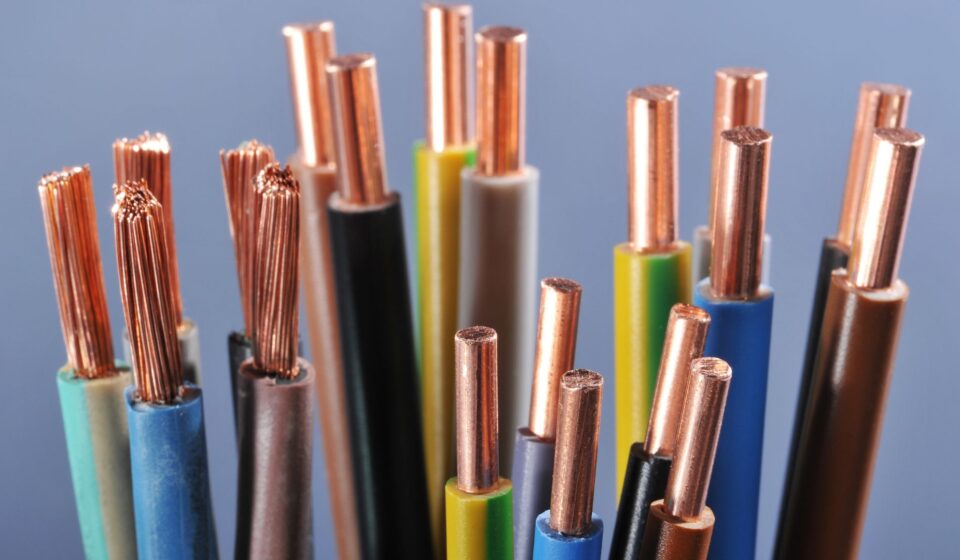

In today’s world of smart buildings and intelligent infrastructure, Building Management Systems (BMS) have become the backbone of efficient facility operations. At the heart of every reliable BMS lies a crucial component that often goes unnoticed: BMS cables. These specialized cables are the lifelines that enable seamless communication between various building automation components, making them indispensable for modern construction and facility management.
Table Of Content
- Understanding BMS Cables and Their Critical Role
- Key Features That Make BMS Cables Special
- Shielded vs. Unshielded: Making the Right Choice
- PVC vs. LSZH: Choosing the Right Insulation Material
- Popular BMS Cable Configurations and Their Applications
- Installation Best Practices for BMS Cables
- Quality Standards and Compliance Considerations
- Cost Considerations and Long-Term Value
- Emerging Trends in BMS Cable Technology
- Selecting the Right BMS Cable Supplier
- Conclusion: The Foundation of Reliable Building Automation
Understanding BMS Cables and Their Critical Role
BMS cables are specialized communication cables designed specifically for building automation applications. Unlike standard electrical cables, these cables are engineered to transmit data signals between sensors, controllers, actuators, and other devices within a building management system. They form the nervous system of intelligent buildings, enabling real-time monitoring and control of HVAC systems, lighting, security, access control, and energy management.
What sets BMS cables apart is their ability to maintain signal integrity in environments filled with electrical interference. Modern buildings are complex ecosystems of electrical equipment, and BMS cables must perform reliably despite the electromagnetic noise generated by motors, transformers, and power lines. This is why proper cable selection is not just important it’s essential for system reliability and long-term performance.
Key Features That Make BMS Cables Special
When selecting BMS cables for your building automation project, understanding their key features helps ensure optimal performance. Shielding is perhaps the most critical characteristic of BMS cables. The shield, typically made of aluminum foil or braided copper, acts as a barrier against electromagnetic interference (EMI) and radio frequency interference (RFI). This protection ensures that data signals remain clean and accurate, preventing false readings and system malfunctions.
The number of cores within a cable determines how many devices or signals it can support simultaneously. BMS cables typically come in 2-core, 3-core, and 4-core configurations. Multi-core cables simplify installation by reducing the number of cable runs needed, though single-pair cables offer advantages in troubleshooting and flexibility.
Shielded vs. Unshielded: Making the Right Choice
The debate between shielded and unshielded BMS cables is fundamental to system design. Shielded cables provide superior protection against electromagnetic interference, making them the preferred choice for most BMS applications. In environments with heavy electrical equipment, such as mechanical rooms, data centers, or industrial facilities, shielded cables are virtually mandatory.
Unshielded cables, while less protected, have their place in low-interference environments. They’re typically less expensive and more flexible, making them suitable for residential applications or areas with minimal electrical noise. However, the long-term reliability benefits of shielded cables often justify the additional investment, especially in commercial and industrial settings where system downtime can be costly.
PVC vs. LSZH: Choosing the Right Insulation Material
The insulation material of BMS cables plays a crucial role in both performance and safety. PVC (Polyvinyl Chloride) insulated cables are the traditional choice, offering excellent durability, moisture resistance, and cost-effectiveness. They perform well in most standard building environments and are suitable for applications where fire safety regulations permit their use.
LSZH (Low Smoke Zero Halogen) cables represent a significant advancement in cable safety technology. When exposed to fire, LSZH cables produce minimal smoke and no toxic halogen gases, making them essential for enclosed spaces, public buildings, and areas with strict fire safety requirements. While LSZH cables typically cost more than PVC alternatives, they’re increasingly becoming the standard in modern construction due to enhanced safety regulations and growing environmental awareness.
Popular BMS Cable Configurations and Their Applications
Different BMS applications require specific cable configurations. The 2-core shielded cable is the workhorse of building automation, commonly used for connecting room thermostats, temperature sensors, and simple control devices. These cables provide reliable point-to-point communication while maintaining signal integrity across typical building distances.
Twisted pair BMS cables represent a specialized category designed for applications requiring exceptional noise immunity. The twisting of conductor pairs helps cancel out electromagnetic interference, making these cables ideal for sensitive instrumentation and long-distance signal transmission. They’re particularly valuable in industrial environments where electrical noise is prevalent.
Installation Best Practices for BMS Cables
Proper installation techniques significantly impact BMS cable performance and longevity. Cable routing should carefully avoid power cables, especially high-voltage lines and motor feeds. When crossing power cables is unavoidable, maintain a perpendicular crossing angle to minimize inductive coupling. A general rule of thumb is to maintain at least 12 inches of separation between BMS cables and power cables for runs under 120V, increasing to 24 inches or more for higher voltages.
Proper shield termination is essential for shielded BMS cables to function effectively. The shield should be terminated at one end only in most applications to prevent ground loops, which can introduce noise into the system. However, some specialized applications may require both-end termination; always consult manufacturer specifications and system design requirements.
Quality Standards and Compliance Considerations
Selecting BMS cables from reputable manufacturers ensures compliance with international quality standards and building codes. Quality cables meet specifications such as UL listing, CSA certification, and comply with NEC (National Electrical Code) requirements. These certifications verify that cables have undergone rigorous testing for electrical performance, fire safety, and durability.
In regions with specific building regulations, such as the UAE and GCC countries, cables must meet local fire safety and performance standards. Working with established suppliers who understand regional requirements helps ensure code compliance and project approval.
Cost Considerations and Long-Term Value
While initial cable costs are important, they should be evaluated within the context of total system lifetime costs. Premium BMS cables with superior shielding and quality insulation materials may cost 20-30% more initially, but they deliver significant long-term value through reduced maintenance, fewer troubleshooting calls, and extended system uptime.
Emerging Trends in BMS Cable Technology
The building automation industry continues to evolve, and BMS cables are advancing alongside it. Manufacturers are developing cables with enhanced fire resistance properties, improved flexibility for retrofit applications, and better environmental sustainability. Some newer cables incorporate recyclable materials without compromising performance, addressing growing environmental concerns in the construction industry.
The integration of IoT devices into building management systems is driving demand for cables that support higher data rates while maintaining traditional BMS compatibility. Hybrid cables that combine power and data transmission in a single jacket are gaining popularity for their installation efficiency and reduced labor costs.
Selecting the Right BMS Cable Supplier
Partnering with a knowledgeable BMS cable supplier makes a significant difference in project success. Look for suppliers who offer technical support, understand building automation requirements, and stock a comprehensive range of cable types and configurations. Suppliers with experience in your specific market can provide valuable insights into local installation practices and regulatory requirements.
Quality suppliers maintain consistent inventory levels, offer competitive pricing, and provide documentation such as data sheets, compliance certificates, and installation guidelines. These resources prove invaluable during both installation and ongoing system maintenance.
Conclusion: The Foundation of Reliable Building Automation
BMS cables may not be the most glamorous component of building automation systems, but they’re certainly among the most critical. These specialized cables ensure reliable communication between all components of modern building management systems, enabling the smart, efficient buildings we increasingly depend on.