

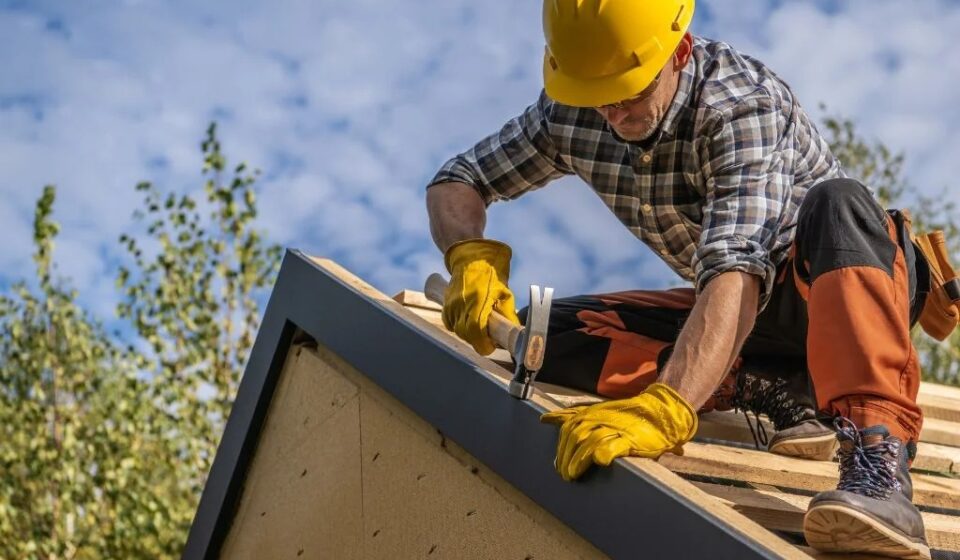

Hiring the right general contractor can make or break your construction or renovation project. Whether you’re planning a home remodel, building from scratch, or upgrading a commercial space, choosing a reliable professional ensures quality work, timely completion, and peace of mind. This step-by-step guide will help you make an informed decision and avoid costly mistakes.
Table Of Content
- Key Responsibilities of a Construction Contractor
- Why Budget Planning Matters
- Tips for Finding the Right Building Contractor
- What to Check Before Hiring
- Essential Questions to Ask
- How to Evaluate Contractor Quotes
- Key Elements of a Strong Contract
- Best Practices for Project Oversight
- What to Look for During Final Inspection
Understanding the Role of a General Contractor
Before you start your search, it’s important to understand what a contractor actually does. A general contractor oversees the entire construction project, managing everything from labor and materials to scheduling and permits. They act as the main point of contact, coordinating with subcontractors such as electricians, plumbers, and carpenters.
Key Responsibilities of a Construction Contractor
- Project planning and execution
- Hiring and supervising subcontractors
- Managing timelines and budgets
- Ensuring compliance with local building codes
- Handling permits and inspections
Knowing these responsibilities helps you evaluate whether a contractor is capable of handling your specific project needs.
Define Your Project Scope and Budget
One of the most critical steps before hiring a contractor is clearly defining your project scope. Are you doing a kitchen renovation, full home remodeling, or a new construction project? Outline your requirements in detail, including design preferences, materials, and deadlines.
Why Budget Planning Matters
Setting a realistic budget helps you narrow down your options and prevents overspending. It also allows contractors to provide accurate estimates. Make sure to include:
- Labor costs
- Material expenses
- Contingency funds (10–15% for unexpected costs)
A well-defined scope and budget ensure smoother communication and fewer surprises during the project.
Research and Shortlist Reliable Contractors
Start your search by looking for experienced professionals in your area. Use online platforms, referrals, and local directories to create a shortlist of potential contractors.
Tips for Finding the Right Building Contractor
- Check online reviews and ratings
- Ask for recommendations from friends or family
- Visit completed projects if possible
- Verify licenses and certifications
Reputable companies like West Village GC LLC are known for delivering high-quality craftsmanship and maintaining transparency throughout the project lifecycle.
Verify Credentials and Experience
Not all contractors are created equal. Once you have a shortlist, dig deeper into their credentials and experience.
What to Check Before Hiring
- Valid license and insurance
- Years of industry experience
- Portfolio of past projects
- Specialization in your type of project
Hiring an experienced construction professional reduces risks and ensures better project outcomes.
Conduct Interviews and Ask the Right Questions
Interviewing potential contractors is a crucial step in the hiring process. This is your opportunity to assess their communication skills, professionalism, and understanding of your project.
Essential Questions to Ask
- Can you provide references from previous clients?
- What is your estimated timeline for completion?
- How do you handle unexpected issues or delays?
- Will you provide a detailed written contract?
Clear communication from the beginning sets the tone for a successful working relationship.
Request Detailed Quotes and Compare
Always request written estimates from at least three contractors. A detailed quote should include labor, materials, timelines, and any additional costs.
How to Evaluate Contractor Quotes
- Avoid choosing the lowest bid without analysis
- Look for transparency in cost breakdown
- Check for hidden charges
- Compare timelines and deliverables
A well-structured quote reflects professionalism and helps you make a confident decision.
Review the Contract Carefully
Before signing any agreement, review the contract thoroughly. It should clearly outline the scope of work, payment schedule, deadlines, and responsibilities.
Key Elements of a Strong Contract
- Project timeline and milestones
- Payment terms and conditions
- Warranty details
- Termination clauses
Never proceed without a written contract, as it protects both you and the contractor.
Monitor the Project Progress
Even after hiring a contractor, your involvement is important. Regularly monitor the progress to ensure everything is going according to plan.
Best Practices for Project Oversight
- Schedule regular updates or site visits
- Maintain open communication
- Address issues promptly
- Keep track of expenses
Working with a trusted company like West Village GC LLC ensures smoother coordination and consistent updates throughout the project.
Final Inspection and Project Completion
Once the project is complete, conduct a final walkthrough with your contractor. Check if all work meets your expectations and aligns with the agreed scope.
What to Look for During Final Inspection
- Quality of workmanship
- Completion of all tasks
- Proper cleanup of the site
- Functionality of installed systems
Ensure all necessary documents, warranties, and permits are handed over before closing the project.
Conclusion
Hiring the right contractor requires careful planning, research, and evaluation. By following this step-by-step guide, you can confidently choose a professional who meets your needs and delivers high-quality results. From defining your project scope to final inspection, every step plays a vital role in ensuring success. Take your time, ask the right questions, and prioritize experience and reliability to make your construction journey smooth and stress-free.