
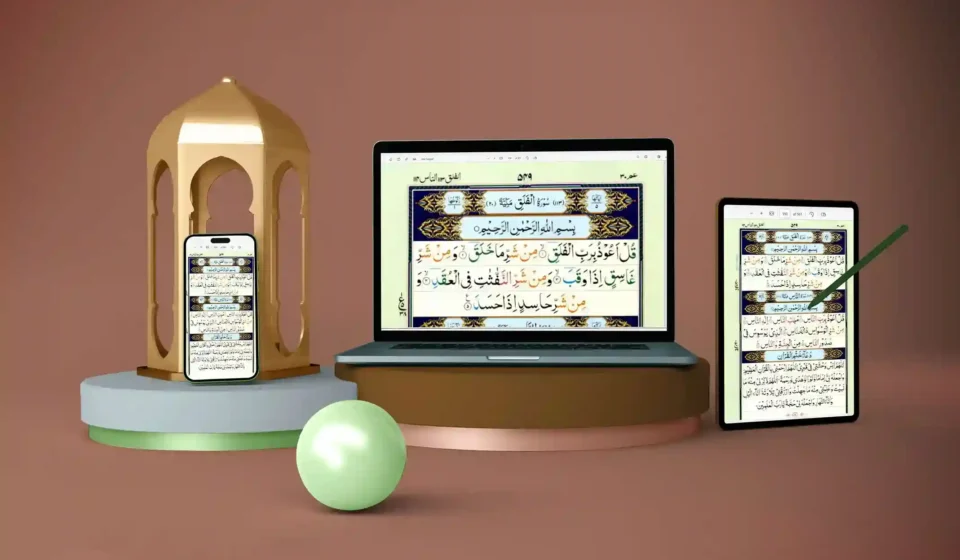

Learning the Quran with Tajweed is an important goal for many Muslim families. Parents often look for the right guidance so their children can read the Quran correctly and confidently. Tajweed helps readers pronounce each letter in the proper way. It also protects the meaning of the verses. When we focus on correct recitation, our connection with the Quran becomes stronger. Today, many parents explore learning options online because they are flexible and easy to access. With the right steps, we can support our children and ourselves in this journey. They also benefit from structured lessons that build skills slowly. This guide explains the basics clearly and helps families make informed decisions.
Table Of Content
Understanding Tajweed and Its Importance
Learning Tajweed is not just about rules. It is about respect for the words of Allah. When we Learn to Read Quran, Tajweed ensures accuracy and beauty in recitation.
What Is Tajweed?
Tajweed means giving every letter its due right. It covers pronunciation, stretching sounds, and stopping correctly.
- Each Arabic letter has a unique sound
- Small mistakes can change meanings
- Tajweed helps avoid these errors
They learn how to recite clearly and calmly. This builds confidence over time.
Why Tajweed Matters for Children
Children develop habits early. If they start with Tajweed, correct recitation becomes natural.
- Better pronunciation from the start
- Stronger memory of verses
- Improved focus during recitation
Parents often prefer structured learning so they can track progress easily.
Steps to Start Learning Quran with Tajweed
Starting the journey can feel overwhelming. However, when we Learn to Read Quran, following clear steps makes the process simple and effective.
Step 1: Learn Arabic Letters Properly
A strong foundation begins with letters.
- Recognize letter shapes
- Practice correct sounds
- Understand similar letters
They should not rush this stage. Accuracy matters more than speed.
Step 2: Understand Basic Tajweed Rules
Once letters are clear, basic rules come next.
- Makharij (points of articulation)
- Simple rules of noon and meem
- Short and long vowel sounds
We should encourage regular practice to build confidence.
Step 3: Practice with Short Surahs
Short Surahs help learners apply rules easily.
- Less pressure to memorize
- Easy correction of mistakes
- Builds reading fluency
Parents can listen and support daily practice.
Choosing the Right Learning Resources Online
Online learning has become popular for families. When parents Learn to Read Quran resources online, careful selection is important.
What Parents Should Look For
Not all platforms offer the same quality.
- Qualified and patient teachers
- Clear Tajweed-focused lessons
- Child-friendly teaching style
They should also check reviews and lesson samples.
Benefits of Online Quran Learning
Online learning fits modern family routines.
- Flexible class timings
- Safe learning from home
- One-on-one attention
We find it easier to balance school and Quran learning this way.
Tips to Support Children at Home
Parents play a key role in success.
Create a Calm Learning Environment
A peaceful space improves focus.
- Fixed study time
- Quiet room
- Positive encouragement
They learn better when distractions are limited.
Be Patient and Consistent
Learning Tajweed takes time.
- Avoid pressure
- Celebrate small progress
- Stay consistent
We should remember that consistency brings results.
Building a Lifelong Connection with the Quran – Ilm Al Quran
Ilm Al Quran focuses on nurturing a deep and lasting relationship with the Quran. Learning Tajweed is not the final goal. It is the starting point of understanding, reflection, and practice. When children learn in a structured and caring way, they develop respect for the Quran. Parents often look for programs that combine proper recitation with understanding and discipline. Ilm Al Quran supports this balanced approach. They emphasize clarity, patience, and gradual improvement. We believe that when learning is done with sincerity, it shapes character and values. Through proper guidance, families can ensure that Quran learning becomes a lifelong habit, not just a short-term lesson.