
Sending art prints through the post sounds simple until you actually do it. A print that leaves the studio in perfect condition can arrive with a bent corner or a visible crease if it is not packed properly. For artists, photographers, and print sellers, that can be frustrating. A lot of care goes into creating a print, so it makes sense to protect it just as carefully during shipping.
Table Of Content
- Why Is Careful Packaging Essential When Shipping Art Prints?
- What Packaging Materials Are Commonly Used for Shipping Prints?
- How Does Protective Wrapping Help Protect Artwork?
- Why Is Kraft Paper Often Used for Packaging Prints?
- When Are Padded Envelopes Suitable for Sending Prints?
- Why Do Rigid Boxes Offer Stronger Protection?
- How Should Packaging Materials Be Layered Together?
- Conclusion
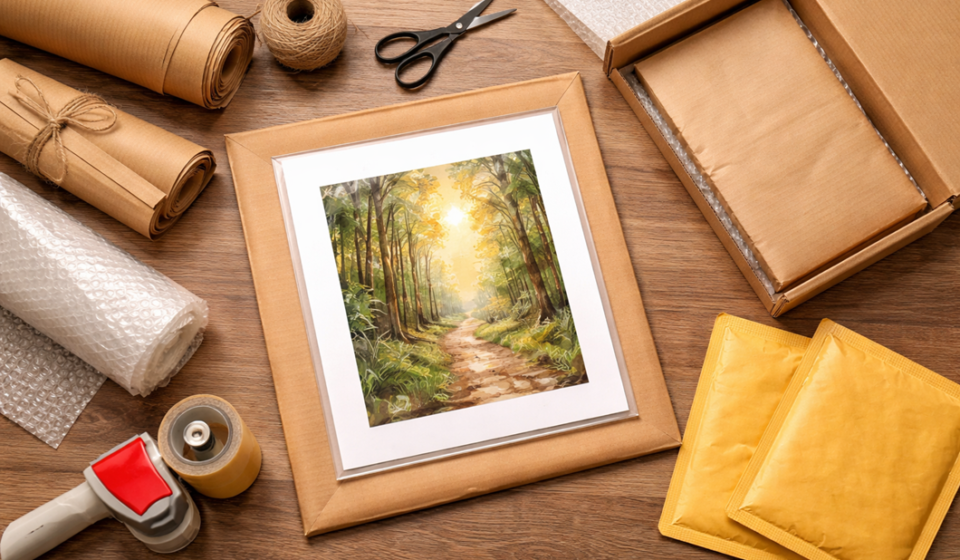
The good news is that safe shipping usually comes down to a few reliable packaging materials and a sensible packing method. Many people who regularly send prints use items such as parcel wrap, brown parcel paper, padded envelopes, and strong mailing boxes. When used together, these materials help protect the artwork from pressure, moisture, and rough handling during transit.
Why Is Careful Packaging Essential When Shipping Art Prints?
Art prints are far more delicate than they appear. Most are printed on thick but flexible paper, which means they can bend easily if placed inside weak packaging.
Postal systems move parcels quickly. Packages are sorted, stacked, and transported through different facilities before reaching their final destination. During that process, items can be squeezed between heavier parcels or handled multiple times.
Because of this, experienced print sellers usually focus on three simple goals:
- Keeping the artwork flat
- Preventing surface scratches
- Making sure the print does not move inside the parcel
Adding a soft layer, such as parcel wrap, around the print before placing it in outer packaging helps reduce the risk of surface damage.
Even small steps like this can make a big difference by the time the parcel arrives.
What Packaging Materials Are Commonly Used for Shipping Prints?
People who ship artwork regularly tend to rely on a combination of materials rather than on a single one. Each layer has its own job. Some protect the print’s surface, while others stop the package from bending.
Professional packaging suppliers usually provide a wide range of materials designed specifically for mailing flat items. The right choice often depends on the artwork’s size and value.
Below are several materials commonly used when preparing prints for delivery.
How Does Protective Wrapping Help Protect Artwork?
Before placing the print inside any envelope or box, it helps to add a protective layer around it. This prevents the artwork from rubbing against other surfaces during transit.
Many sellers use parcel wrap as part of this first layer. It forms a soft barrier that protects the print from scratches, dust, or accidental marks.
In many studios, the process begins by placing a sheet of tissue or glassine paper directly on top of the artwork. The wrap is then used to secure everything gently without pressing too hard on the print itself.
This step is simple but helps maintain the artwork’s condition as it travels through the postal system.
Why Is Kraft Paper Often Used for Packaging Prints?
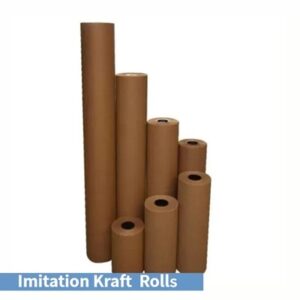
Kraft paper has been used for shipping parcels for many years, and it remains popular for good reason. It is strong, flexible, and easy to wrap around flat items.
Many people preparing prints for delivery use brown parcel paper because it adds another layer of protection. When wrapped tightly around backing boards or protective sleeves, it helps keep everything secure.
Another advantage of kraft paper is its durability without adding significant weight. For sellers who ship prints frequently, this can help keep postage costs manageable.
Some businesses also use this paper as an outer wrapping before placing the item into its final mailing container.
When Are Padded Envelopes Suitable for Sending Prints?
Smaller art prints are sometimes sent using padded envelopes. These are convenient for lightweight items and can still offer reasonable protection if used correctly.
Many sellers rely on bubble mailers because the padded lining helps absorb small impacts during handling. The cushioning can protect the print from minor pressure or knocks.
However, professionals rarely place a print directly inside a padded envelope. Instead, they usually insert a stiff backing board first. This keeps the print from bending if the envelope is squeezed during transit.
For smaller prints or limited-edition postcards, this method is often practical and efficient.
Why Do Rigid Boxes Offer Stronger Protection?
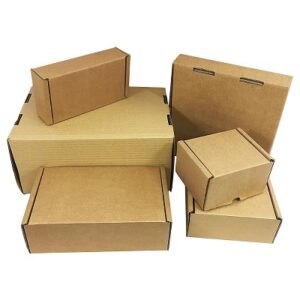
When the artwork is larger or more valuable, stronger packaging becomes necessary. This is where rigid mailing boxes come in.
Many experienced sellers use postal boxes because they provide solid outer protection. The box structure prevents other parcels from pressing directly against the artwork.
A common packing method is to place the print between two rigid boards, then slide it into the box. This creates a firm support system that keeps the print completely flat.
Boxes are particularly useful for shipping signed prints, gallery pieces, or artwork that needs to arrive in perfect condition.
How Should Packaging Materials Be Layered Together?
Using the right materials is important, but how they are arranged also matters. Proper layering ensures that each material does its job.
A typical packing process might include the following steps:
- Place a protective sheet over the artwork
- Cover the print using parcel wrap
- Add rigid backing boards for support
- Secure the bundle with brown parcel paper
- Place the item inside bubble mailers or sturdy postal boxes, depending on size
This layered method helps prevent bending while also protecting the print’s surface.
Conclusion
Before sealing the parcel, it helps to take a moment to check everything carefully. Small details can prevent big problems later.
Many experienced sellers quickly review a few points:
- The print should not slide inside the packaging
- The corners should feel well supported
- The outer packaging should be sealed firmly
Taking these steps can help ensure that the artwork travels safely.
With the right materials and careful packing, art prints can move through the postal system without bends, creases, or surface damage.