
Custom orthotics can genuinely change how your feet feel each day. But there’s something most people don’t figure out until they’ve spent good money on a fitting: the shoes matter just as much. Put them in the wrong footwear and you won’t get the support you paid for. You need shoes built to work with your orthotics. That is the whole idea behind podiatrist-recommended shoes.
Table Of Content
- Why Your Shoe Choice Matters for Custom Orthotics
- Removable Footbed
- Deep Heel Cup
- Adequate Internal Depth
- Wide and Stable Sole
- Adjustable Fastening
- What to Look for in Podiatrist-Recommended Shoes
- Firm Heel Counter
- Cushioned Midsole
- Non-Slip Outsole
- Breathable Upper Material
- Roomy Toe Box
- Small Choices Make a Big Difference
Why Your Shoe Choice Matters for Custom Orthotics
Custom orthotics are shaped around your specific foot structure. They work by redistributing pressure and supporting the arch from below. A shoe with a fixed insole, a shallow fit, or a poorly designed midsole will get in the way of that support. Good orthotics and well-built shoes really need to work together.
Here are the key features that make any shoe genuinely compatible with custom orthotics:
Removable Footbed
Without a removable insole, your orthotic sits directly on top of the existing footbed, throwing off both the height and fit inside the shoe. This reduces contact between the orthotic and your foot, limiting its ability to deliver the proper support it was designed to provide throughout the day.
Deep Heel Cup
A deep heel cup keeps your foot correctly seated within the orthotic. It supports rear-foot stability and helps manage heel discomfort during the day. Without adequate depth in the heel, your foot shifts out of position and the orthotic can no longer deliver the alignment and support you need.
Adequate Internal Depth
Orthotics take up space inside a shoe, and not all footwear accounts for that added height. A shoe with shallow internal depth will feel cramped and uncomfortable once the orthotic is placed inside. Your toes need enough room to sit naturally without being compressed or restricted during extended wear.
Wide and Stable Sole
A broader, more stable sole helps spread body weight more evenly across the foot. When paired with your custom orthotics, this reduces unnecessary pressure and strain during everyday movement. It makes a real difference for anyone who regularly spends long stretches of time on their feet throughout the day.
Adjustable Fastening
Laces or adjustable straps are more important than they may seem. They keep your foot properly positioned and prevent any sliding toward the toe box. When your foot shifts forward, even a well-made orthotic loses its correct position and the support it provides is significantly reduced as a result.
What to Look for in Podiatrist-Recommended Shoes
Walk into any shoe shop in Australia and plenty of options will claim to be supportive. Most of them are not. Podiatrists look at specific structural details when assessing footwear quality. Knowing what to look for makes it much easier to find genuinely podiatrist-recommended shoes without second-guessing every single purchase.
When assessing any shoe for foot support, watch for these:
Firm Heel Counter
Press the back of any shoe before you buy it. A good heel counter holds its shape firmly under pressure. If it collapses inward easily, it will not support your ankle properly. A firm heel counter is one of the first structural checks a podiatrist makes when assessing footwear.
Cushioned Midsole
A good midsole absorbs impact with each step you take. Look for EVA foam or similar shock-absorbing materials when comparing your different options. This type of cushioning reduces heel and arch fatigue, which matters most during long periods of walking or standing on hard floor surfaces throughout the day.
Non-Slip Outsole
Grip is something many people overlook until it becomes a problem. A slip-resistant outsole improves stability across the variety of surfaces you cross each day, from tiles to footpaths. This is particularly important for older Australians or anyone managing balance and stability concerns as part of their daily life.
Breathable Upper Material
Heat and moisture build up inside footwear faster than most people expect, particularly when orthotics are added. A breathable upper improves airflow and reduces skin irritation throughout the day. This is especially relevant for anyone managing diabetes, circulation concerns, or general skin sensitivities aggravated by trapped moisture inside shoes.
Roomy Toe Box
Your toes need room to spread naturally with each step you take. A shoe with a narrow toe box compresses the forefoot and contributes to pressure-related foot issues over time. A roomy toe box is often overlooked in shoe selection, but it plays a significant role in daily comfort.
Small Choices Make a Big Difference
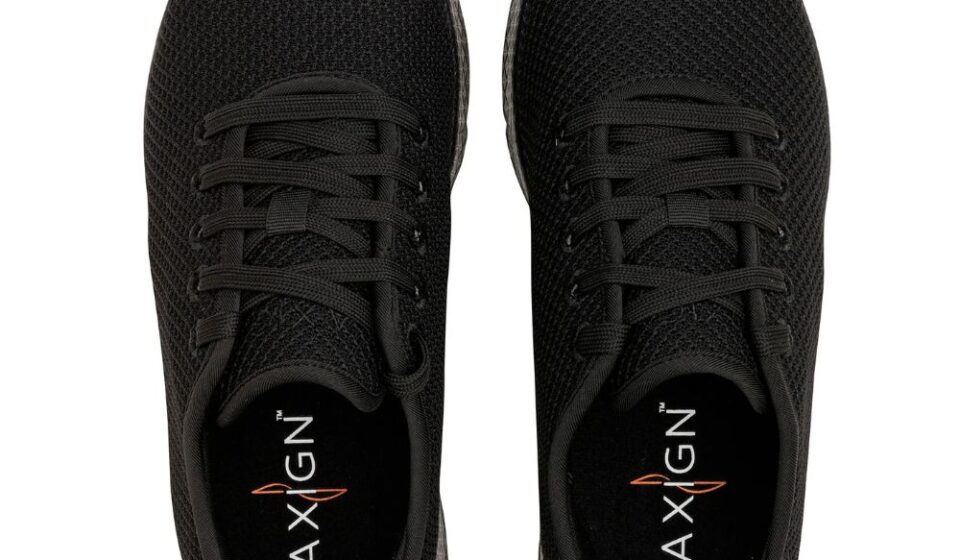
Getting custom orthotics fitted is a solid step toward better foot health. But without the right shoes, you are only doing half the job. Focus on removable insoles, deep heel cups, firm heel counters, and enough internal depth. These are not extras. They are the basics of genuinely supportive footwear. Brands like Axign Medical Footwear build their range with these structural needs in mind, making it easier for Australians to find shoes that work well with their orthotics every day.