
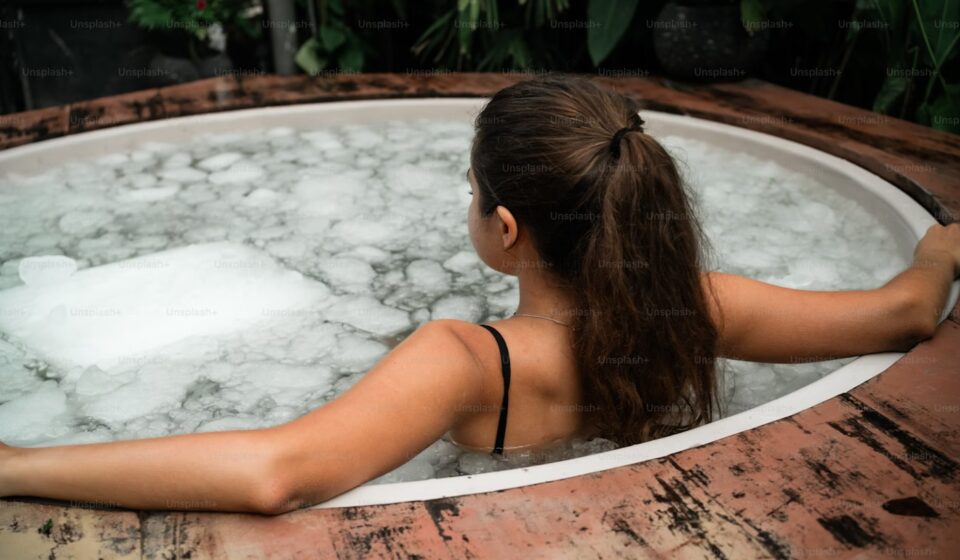

Ice baths, also known as cold water immersion, have become a popular recovery tool among athletes, fitness enthusiasts, and even wellness seekers. From professional sports teams to weekend runners, many people swear by the power of cold therapy to reduce inflammation and accelerate healing. But how exactly does sitting in icy water help the body recover?
Table Of Content
Let’s break down the science and benefits behind ice baths.
What Happens to Your Body in an Ice Bath?
When you immerse your body in cold water—typically between 50–59°F (10–15°C)—your blood vessels constrict in a process called vasoconstriction. This narrowing of blood vessels reduces blood flow to the submerged areas.
Why is this important?
Inflammation is the body’s natural response to injury or intense exercise. When you train hard, you create microscopic tears in your muscle fibers. Your body responds by sending blood, immune cells, and inflammatory chemicals to repair the tissue. While this process is necessary for muscle growth and healing, excessive inflammation can lead to prolonged soreness, swelling, and delayed recovery.
Cold exposure temporarily slows this inflammatory response.
How Ice Baths Reduce Inflammation
-
Vasoconstriction Reduces Swelling
Cold water causes blood vessels to tighten, which helps limit the amount of fluid that accumulates in tissues. This can reduce swelling and the sensation of puffiness or stiffness after intense activity. -
Decreased Metabolic Activity
Lower temperatures slow down cellular metabolism. By reducing metabolic demand in tissues, ice baths may help minimize secondary tissue damage that sometimes occurs after an injury. -
Reduced Nerve Activity and Pain Perception
Cold temperatures can temporarily numb nerve endings. This decreases pain signals sent to the brain, providing relief from soreness and discomfort. -
Reperfusion Effect After Warming Up
Once you exit the ice bath and your body warms up, blood vessels dilate again (vasodilation). This rebound effect may help flush out metabolic waste products, such as lactic acid, and deliver fresh oxygen and nutrients to muscles.
Together, these mechanisms help control excessive inflammation while supporting the body’s natural repair process.
Speeding Up Recovery and Healing
While inflammation is a necessary part of healing, too much can slow down your return to peak performance. Ice baths may speed recovery in several ways:
-
Reduced Delayed Onset Muscle Soreness (DOMS): Many studies suggest cold water immersion can reduce muscle soreness 24–72 hours after exercise.
-
Improved Perceived Recovery: Even when physiological markers show modest changes, athletes often report feeling less fatigued and more ready for their next workout.
-
Faster Return to Training: By minimizing swelling and discomfort, ice baths may allow individuals to resume activity sooner.
However, timing matters. Using ice baths immediately after strength training may blunt some muscle adaptation signals if your goal is muscle growth. In contrast, they are particularly useful during competition periods, tournaments, or back-to-back training sessions when rapid recovery is the priority.
Benefits Beyond Muscles
Ice baths may also support overall recovery through:
-
Reduced systemic inflammation
-
Improved circulation over time
-
Mental resilience and stress tolerance
Cold exposure activates the sympathetic nervous system, increasing alertness and releasing stress hormones like norepinephrine. With regular practice, some people report improved mood and increased mental toughness.
How to Use Ice Baths Safely
If you’re new to cold immersion:
-
Start with 5–10 minutes at 50–59°F (10–15°C).
-
Submerge the lower body first.
-
Breathe slowly and steadily to manage the initial shock.
-
Avoid ice baths if you have cardiovascular conditions without consulting a healthcare professional.
Consistency and moderation are key. You don’t need extreme temperatures or long sessions to gain benefits.
The Bottom Line
Ice baths reduce inflammation by constricting blood vessels, limiting swelling, numbing pain signals, and promoting improved circulation once the body warms up. While they aren’t a miracle cure, they can be a powerful recovery tool when used strategically.
Whether you’re an athlete pushing your limits or simply someone dealing with post-workout soreness, cold immersion may help you heal faster, feel better, and get back to doing what you love sooner.