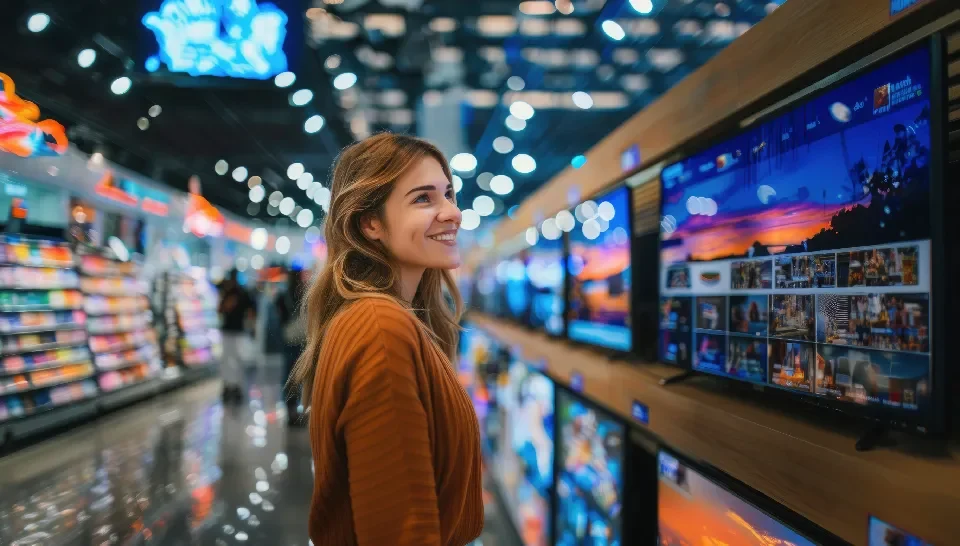

Offline marketing is far from dead, it’s evolving. As digital advertising becomes more crowded and expensive, brands are rediscovering the power of physical presence. The difference today is how they communicate offline. Static billboards and printed posters are being replaced by dynamic, high impact visual systems. Among these, LED video walls have emerged as one of the most powerful tools for dominating offline marketing.
Table Of Content
- 1. Turning Physical Spaces into Attention Magnets
- 2. Replacing Static Advertising with Living Content
- 3. Creating Strong Brand Recall Through Visual Identity
- 4. Driving Purchase Decisions at the Point of Influence
- 5. Blending Digital Strategy with Offline Execution
- 6. Owning High Impact Moments and Events
- 7. Enhancing Perceived Value and Trust
- 8. Localizing Messages Without Losing Brand Control
- 9. Measuring Impact Beyond Visibility
- 10. Building Experiences, Not Just Advertisements
- Final Thoughts
From retail stores and malls to events and high street locations, brands are using LED video walls to control attention, influence behavior, and create memorable experiences. Here’s how they’re doing it.
1. Turning Physical Spaces into Attention Magnets
The biggest challenge in offline marketing is capturing attention in busy environments. Streets, malls, airports, and retail zones are filled with visual noise.
LED video walls break through that clutter by:
- Using motion, brightness, and scale to attract the eye
- Standing out even in crowded or well lit spaces
- Delivering messages instantly without relying on text heavy designs
Brands place LED walls at entrances, storefronts, and high footfall zones to ensure their message becomes impossible to ignore.
2. Replacing Static Advertising with Living Content
Traditional offline ads remain unchanged for weeks or months. LED video walls allow brands to keep their messaging alive and responsive.
With dynamic content, brands can:
- Update campaigns without physical reinstallation
- Rotate multiple creatives in one location
- Align messaging with ongoing promotions or events
This flexibility gives brands complete control over their offline narrative, something static media simply can’t offer.
3. Creating Strong Brand Recall Through Visual Identity
Offline marketing success is measured not just by visibility, but by memorability.
Brands use LED video walls to:
- Reinforce brand colours, fonts, and visual language
- Showcase signature animations or motion logos
- Maintain consistency across different locations
The result is stronger brand recall. When customers repeatedly see high quality visuals in physical spaces, the brand stays top of mind long after they leave.
4. Driving Purchase Decisions at the Point of Influence
One of the most powerful uses of LED video walls is influencing decisions right where customers are ready to act.
Brands use them to:
- Demonstrate product usage and benefits
- Highlight limited time offers or exclusives
- Educate customers visually instead of relying on sales staff
By simplifying decision making through visuals, LED walls help reduce hesitation and increase conversions in offline environments.
5. Blending Digital Strategy with Offline Execution
Smart brands no longer treat offline and online marketing as separate efforts.
LED video walls act as a bridge by:
- Mirroring digital ad creatives in physical locations
- Supporting QR codes, social media prompts, and app downloads
- Promoting online campaigns, hashtags, or product launches
This creates a unified brand experience, where offline exposure strengthens online engagement and vice versa.
6. Owning High Impact Moments and Events
Events, launches, exhibitions, and seasonal campaigns are critical touchpoints for brand visibility.
LED video walls help brands:
- Create immersive launch experiences
- Control event storytelling from start to finish
- Adapt visuals instantly during live moments
Whether it’s a product reveal or a festive sale, brands use LED walls to amplify the impact of these moments and leave a lasting impression.
7. Enhancing Perceived Value and Trust
Visual quality plays a huge role in how customers judge a brand.
Brands that use LED video walls are often perceived as:
- More established and credible
- Technologically advanced
- Quality focused and professional
This perception matters, especially in competitive markets where trust and first impressions influence buying decisions.
8. Localizing Messages Without Losing Brand Control
Large brands operate across cities, regions, and markets. LED video walls allow them to customize messages while maintaining brand consistency.
They can:
- Adapt offers based on local preferences
- Display region specific promotions
- Run city based campaigns from a central system
This balance of localization and control gives brands a strong advantage in offline marketing.
9. Measuring Impact Beyond Visibility
Modern LED systems can integrate with analytics and sensors to help brands understand performance.
This allows brands to:
- Test which visuals attract more attention
- Adjust content based on engagement patterns
- Align offline exposure with sales data
Offline marketing becomes more strategic when it’s informed by insights rather than assumptions.
10. Building Experiences, Not Just Advertisements
The biggest reason brands dominate offline marketing with LED video walls is simple: they focus on experience.
Instead of pushing messages, they:
- Entertain
- Educate
- Inspire
Customers don’t feel advertised so they feel engaged. This emotional connection makes brands more memorable and influential.
Final Thoughts
LED video walls have transformed offline marketing from a passive medium into an active brand experience. Brands that use them effectively don’t just display ads; they control environments, influence behaviour, and strengthen their market presence.
As consumer expectations continue to rise, offline marketing must evolve beyond printed visuals. LED video walls give brands the power to stay relevant, visible, and dominant in physical spaces.
In a world where attention is limited, the brands that win offline are the ones that own the screen.