
An injury rarely arrives with a warning. One moment you are moving normally, and the next something feels wrong. A sharp pull in your back, a sudden twist in the knee, or a shoulder that refuses to move the way it should. What follows is often frustration. Simple activities become uncomfortable, workouts stop, and daily routines begin to feel difficult.
Table Of Content
In Winnipeg, injuries from sports, work, and everyday movement are common. While rest can help in the early stages, relying on rest alone often slows the healing process. The body needs the right type of movement and guidance to regain strength and mobility.
This is where athletic therapy plays an important role. It focuses on helping the body heal actively rather than passively. With structured exercises, hands-on treatment, and movement correction, athletic therapy helps people return to their normal routines more safely and often more quickly.
Identifying the Real Cause of the Injury
Pain is not always a clear signal of where the problem actually began. Many injuries develop because of imbalances in strength, flexibility, or movement patterns. When these issues build up over time, the body eventually reacts with pain or limited mobility.
Athletic therapy begins with a detailed assessment of how the body moves. Instead of looking only at the injured area, therapists examine surrounding muscles, joint movement, posture, and overall mobility. This broader view often reveals the underlying cause of the problem.
For example, someone experiencing knee pain may actually have weak hip muscles that place extra stress on the joint. Shoulder pain might be linked to tight chest muscles or poor upper-back mobility. When these factors are identified early, treatment can focus on correcting them rather than simply reducing pain.
This approach often leads to more effective recovery because the therapy targets the source of the injury rather than only the symptoms.
Guided Movement That Supports Healing
Movement is one of the most powerful tools during recovery when it is done correctly. Too much strain can worsen an injury, but avoiding movement entirely can slow healing and weaken surrounding muscles.
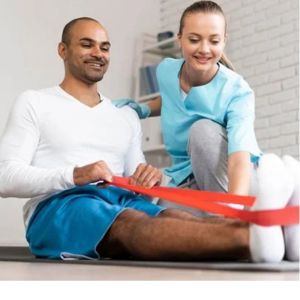
Athletic therapy introduces controlled exercises that help the injured area regain strength gradually. These exercises are carefully selected based on the type of injury and the person’s current ability. The goal is to encourage healing without placing unnecessary stress on the body.
Many people seek athletic therapy services in Winnipeg for injury because this guided approach provides both safety and structure during recovery. Instead of guessing which movements are safe, patients follow a plan designed to rebuild strength step by step.
Over time, these exercises restore stability, flexibility, and confidence in movement. As the body adapts, the intensity of exercises increases so that recovery continues to progress.
Hands-On Treatment That Reduces Pain and Stiffness
Athletic therapy often includes hands-on techniques that support recovery by addressing tight muscles, restricted joints, and reduced circulation caused by injuries. Manual therapy helps loosen muscles, improve joint mobility, and increase blood flow, which delivers oxygen and nutrients to damaged tissues. This not only eases discomfort but also encourages the body’s natural healing process, making movement easier and more comfortable.
When combined with guided exercises, hands-on treatment ensures that mobility gains are maintained while the injured area grows stronger. This approach helps patients recover safely, regain confidence in their movements, and return to everyday activities with less pain and a lower risk of reinjury.
Supporting Recovery from Common Injuries
Athletic therapy can help with many injuries that affect everyday movement and physical activity. Each treatment plan is personalized based on the injury, lifestyle, and recovery goals of the individual.
Some common conditions treated include:
- Muscle strains from sports or physical work
- Ligament sprains such as ankle or knee injuries
- Shoulder pain caused by repetitive movements
- Lower back discomfort linked to poor posture or lifting
- Joint stiffness that limits daily movement
- Soft tissue injuries from accidents or sudden strain
The goal in each case is to restore strength and mobility while preventing the injury from worsening or returning.
Helping the Body Stay Strong After Recovery
Healing from an injury is only one part of the journey. Many injuries return when the body resumes activity without correcting the issues that caused the problem in the first place.
Athletic therapy focuses heavily on long-term movement health. Once the initial pain decreases, rehabilitation programs often include strength building, balance training, and flexibility work. These exercises help the body move more efficiently and handle physical stress better.
Patients also learn simple adjustments they can apply during daily activities. This may include improving posture, changing lifting techniques, or modifying certain exercises. These small changes can significantly reduce strain on joints and muscles.
Over time, these improvements help people move with greater confidence and stability, lowering the risk of future injuries.
Returning to Movement with Confidence
Injuries can interrupt daily life in unexpected ways. Activities that once felt easy suddenly become challenging, and the path back to normal movement may feel uncertain. Athletic therapy provides structure and guidance during this process.
Clinics such as United Therapies Rehab Centre focus on helping people regain strength, mobility, and confidence through personalized rehabilitation programs. Their team uses a collaborative approach that combines athletic therapy, physiotherapy, chiropractic care, and functional rehabilitation to support recovery and improve overall movement. Each treatment plan is tailored to the individual so progress happens safely and effectively.
If you are dealing with pain, limited mobility, or an injury that is slowing you down, schedule a consultation today and take the first step toward moving comfortably again.