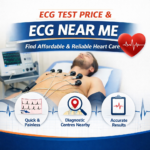


When your doctor wants to understand how efficiently your heart functions and identify potential rhythm disturbances or hidden cardiac concerns, an ecg near me search is often the next step patients take. This simple, painless test records the electrical activity of the heart and helps doctors detect abnormalities early, before complications develop or symptoms become severe. Many people also compare the ECG test price so they can arrange timely and affordable care. In this detailed guide, you will learn how an ECG works, who needs it, what happens during the procedure, how to prepare, and which factors can influence the overall cost.
Table Of Content
- What Is an ECG Test?
- Why Doctors Recommend an ECG
- How the ECG Procedure Is Performed
- Types of ECG Tests
- Resting ECG
- Stress ECG (Treadmill Test)
- Holter Monitoring
- How to Prepare for an ECG
- Understanding ECG Results
- Benefits of Getting an ECG Done Early
- ECG Test Price: What Affects the Cost?
- How to Find the Best ECG Near You
- Are There Any Risks?
- When Should You Get Tested Urgently?
- ECG for Preventive Health Checkups
- Conclusion
- Questions Patients Often Ask
What Is an ECG Test?
An ECG (electrocardiogram) is a diagnostic test that measures the electrical signals generated by your heart each time it beats. Small adhesive electrodes are placed on the chest, arms, and legs. These sensors detect impulses and convert them into wave patterns printed on paper or displayed digitally. Doctors use these patterns to evaluate heart rate, rhythm, and signs of problems such as blocked arteries, previous heart attacks, or enlargement of heart chambers. Because it is quick, non-invasive, and widely available, an ECG is often the first step in cardiac evaluation.
Why Doctors Recommend an ECG
Your physician may advise an ECG for many reasons. It is commonly used both in emergencies and routine checkups.
Typical indications include:
- Chest pain or discomfort
- Shortness of breath
- Palpitations or irregular heartbeat
- Dizziness or fainting
- High blood pressure
- Diabetes or thyroid disorders
- Pre-operative fitness evaluation
It is also done to monitor patients who already have known heart disease or are taking medications that may affect heart rhythm.
How the ECG Procedure Is Performed
The ECG test is straightforward and usually takes about 5–10 minutes.
- You lie down on an examination table.
- A technician cleans small areas of your skin.
- Electrodes are attached using gel pads.
- The machine records heart signals.
- Electrodes are removed once the tracing is complete.
There are no injections, no radiation, and no pain. You simply need to remain still and breathe normally to ensure accurate results.
Types of ECG Tests
Depending on your symptoms, the doctor may recommend different variations.
Resting ECG
This is the most common form. It is done while you lie relaxed and still.
Stress ECG (Treadmill Test)
Heart activity is recorded while you walk on a treadmill to detect exercise-induced issues.
Holter Monitoring
A portable device records your heart rhythm continuously for 24–48 hours or longer. Each type has its own purpose, and your doctor will choose the one best suited to your condition.
How to Prepare for an ECG
In most cases, no special preparation is needed. However, a few simple tips can help:
- Wear comfortable, loose clothing.
- Avoid applying lotions or oils on the chest.
- Inform the technician about medications.
- Remove metal accessories.
You can eat and drink normally unless instructed otherwise.
Understanding ECG Results
The ECG tracing shows waves labelled P, QRS, and T. While they may look complex, trained specialists can interpret them quickly.
The report can reveal:
- Fast or slow heart rate
- Irregular rhythm (arrhythmia)
- Poor blood supply to the heart
- Thickened heart muscle
- Evidence of a past heart attack
Sometimes, your doctor may order additional tests such as echocardiography or blood work for confirmation.
Benefits of Getting an ECG Done Early
Early testing can make a huge difference in outcomes. ECG helps in:
- Detecting silent heart problems
- Guiding emergency treatment
- Monitoring the effectiveness of therapy
- Assessing surgical fitness
- Providing peace of mind
Since many heart conditions develop gradually, timely diagnosis allows faster intervention.
ECG Test Price: What Affects the Cost?
The ecg test price can vary depending on several factors:
- City and locality
- Type of healthcare facility
- Whether it is part of a health package
- Additional cardiology consultation
- Type of ECG (resting, stress, or Holter)
In general, a standard resting ECG is one of the most affordable cardiac tests. Because the equipment is widely available, prices remain budget-friendly for most patients.
Diagnostic centres may offer different pricing depending on the facilities, technology used, and availability of specialist review or additional services.
How to Find the Best ECG Near You
When looking for an ECG near me, convenience and quality both matter.
Here’s what you should check:
- Certified and experienced technicians
- Proper hygiene and modern machines
- Quick report delivery
- Availability of cardiologist review
- Transparent pricing
Reading reviews, comparing facilities, and checking accreditation can help you choose wisely. If you have ongoing heart symptoms, selecting a centre that offers immediate medical support is especially important.
Are There Any Risks?
ECG is extremely safe. Because it only records electrical activity, there is no exposure to radiation or strong currents. You might feel mild skin irritation after removing electrodes, but it usually disappears quickly. Serious side effects are almost unheard of.
When Should You Get Tested Urgently?
Seek immediate medical attention if you experience:
- Sudden chest pressure
- Severe breathlessness
- Collapse or fainting
- Rapid, pounding heartbeat
In such situations, an ECG is often performed right away to rule out life-threatening conditions.
ECG for Preventive Health Checkups
Even without symptoms, people above 40 or those with risk factors like smoking, obesity, or family history should consider periodic heart screening. Routine ECGs can detect early warning signs and encourage lifestyle changes before complications develop.
Conclusion
An electrocardiogram is one of the simplest yet most powerful tools for evaluating heart health. It is fast, painless, and widely accessible, making it ideal for both emergency diagnosis and routine monitoring. Understanding the procedure, preparation, and benefits helps reduce anxiety and ensures you seek care promptly when needed. Before booking your appointment, it is wise to compare the ECG test price at trusted facilities and choose a dependable ECG near me so you receive accurate results and timely medical guidance.
Questions Patients Often Ask
How long does it take?
Usually less than 10 minutes.
Can I drive afterwards?
Yes, you can resume normal activities immediately.
Is fasting required?
Not for a resting ECG.
Will I get reports the same day?
Most centres provide them within minutes.