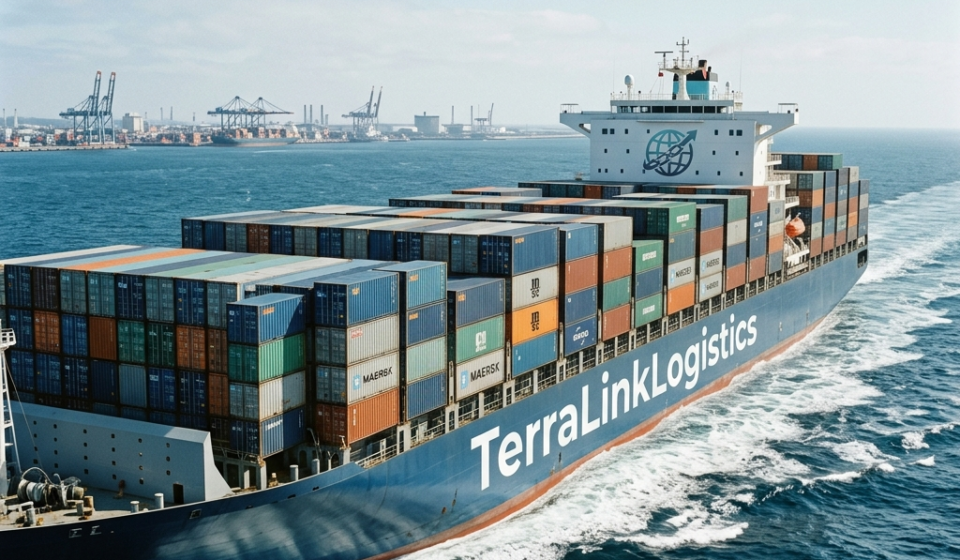

The modern world operates on a scale of connectivity that would have been unimaginable just a century ago. At the heart of this interconnectedness lies ocean freight, the silent engine of global commerce. Approximately 90% of all traded goods travel by sea, ranging from the smartphone in your pocket to the heavy machinery used to build skyscrapers. As businesses look to scale internationally, understanding the nuances of maritime logistics becomes not just an advantage, but a necessity.
Table Of Content
In the current economic climate, efficiency and cost management are the twin pillars of a successful supply chain. Companies are increasingly seeking reliable partners to navigate the complexities of international waters. It is here that professional logistics providers step in to bridge the gap. For instance, TerraLinkLogistics offers international ocean freight forwarding & ocean cargo rates to help businesses streamline their operations and manage overhead effectively.
Section 1: The Fundamentals of Ocean Freight Operations
To appreciate the scale of ocean freight, one must first understand its technical framework. At its core, sea freight is the method of transporting large quantities of goods via cargo ships. These vessels navigate established trade lanes, connecting major ports across every continent. According to Wikipedia, merchant shipping is divided into several categories, including container ships, tankers, and bulk carriers, each designed for specific types of cargo.
The Role of Containerization
The revolution of the shipping industry began with the humble metal box. Before containerization, goods were loaded individually in a process known as break-bulk shipping, which was slow, labor-intensive, and prone to damage. Today, standardized containers allow for seamless transitions between ships, trains, and trucks. This intermodal efficiency is what allows a product manufactured in Vietnam to arrive at a warehouse in Berlin with minimal manual handling.
Key Shipping Terms and Concepts
When engaging in ocean freight, shippers must familiarize themselves with several critical industry terms:
- FCL (Full Container Load): A shipment that occupies an entire container. This is typically the faster and more secure option for large volumes.
- LCL (Less than Container Load): Multiple shipments from different customers are consolidated into a single container. This is a cost-effective solution for smaller businesses that do not have enough goods to fill a 20 or 40-foot box.
- Bill of Lading (BOL): The most important document in sea shipping, acting as a contract between the shipper and the carrier, a receipt for goods, and a document of title.
- Incoterms: A set of rules defined by the International Chamber of Commerce that determine who is responsible for costs, insurance, and risks during different stages of the journey.
Section 2: Navigating the 2026 Ocean Freight Landscape
The shipping industry is currently undergoing a period of profound transformation. As we move through 2026, several external factors are reshaping how ocean freight functions on a global scale. According to recent reports from Google News, the market is characterized by a “new normal” where volatility is managed through better data and strategic planning rather than reactive crisis management.
Geopolitical and Environmental Pressures
Global trade routes are sensitive to geopolitical shifts. Issues in the Red Sea or constraints in the Panama Canal due to water levels have forced carriers to seek alternative, often longer, routes around the Cape of Good Hope. These diversions impact transit times and fuel consumption, which in turn influences ocean freight rates.
Furthermore, environmental regulations are no longer optional. The International Maritime Organization (IMO) has introduced stricter limits on sulfur emissions and carbon intensity. Ships are now being retrofitted with “scrubbers” or designed to run on alternative fuels like LNG (Liquified Natural Gas) and green methanol. While these changes increase initial operational costs, they ensure the long-term sustainability of the industry.
Digitalization and AI in Logistics
The “paperless shipping” movement has gained massive momentum. Digital platforms now allow shippers to track their cargo in real-time, providing visibility that was previously impossible. Artificial intelligence is being used to predict port congestion and optimize vessel speeds, saving millions in fuel costs and reducing the carbon footprint of each voyage. For businesses, this means more predictable arrival times and better inventory management.
Section 3: Strategic Analysis for Professional Shippers
For a business to thrive in international trade, a purely cost-centric approach to ocean freight is often insufficient. A professional and analytical perspective is required to balance cost, speed, and reliability. As highlighted by Forbes, the focus for modern logistics leaders has shifted toward supply chain resilience.
Diversification of Routes
Relying on a single trade lane or a single carrier is a risky strategy. Professional shippers now employ a “multi-gateway” approach. If a major port on the US West Coast faces a strike or congestion, having established workflows for East Coast or Gulf ports can prevent a total supply chain collapse. This diversification is a hallmark of sophisticated ocean freight management.
Understanding Rate Volatility
Freight rates are influenced by a complex interplay of supply and demand. When new, larger vessels enter the market, capacity increases, which can put downward pressure on prices. Conversely, during peak seasons such as the build-up to the Lunar New Year, space becomes a premium commodity. Businesses that plan their shipments months in advance and utilize a mix of spot rates and long-term contracts are better positioned to weather these fluctuations.
The Importance of Cargo Insurance
While ocean freight is statistically very safe, the sheer scale of the journey involves risks. From heavy weather at sea to mechanical failures, the potential for cargo loss exists. Investing in comprehensive marine insurance is a non-negotiable step for any professional operation. It provides peace of mind and financial protection, ensuring that a single maritime accident does not result in a catastrophic business loss.
Conclusion: Charting a Course for Success
The world of ocean freight is vast and complex, yet it remains the most reliable and cost-effective way to move goods across the globe. By understanding the technical foundations, staying informed about current market trends, and adopting a strategic approach to logistics, businesses can turn their supply chain into a competitive advantage.
Success in international trade requires more than just a product; it requires a path to the customer. As the industry continues to evolve with greener technologies and digital innovations, the opportunities for growth are boundless. Whether you are a small startup exploring LCL options or a multinational corporation managing thousands of containers, the right logistics strategy is the wind in your sails.