


Moving a vehicle across the country, or even a few states over, is one of those logistics problems that seems simple until you actually start looking into it. Suddenly you’re comparing open versus enclosed transport, trying to figure out what a “terminal-to-terminal” quote actually means, and wondering why the price you were quoted online is nothing like the price the driver mentions on pickup day. If you’re in Houston and you’ve got a vehicle that needs to move, it helps to understand how this industry actually works before you hand over a deposit.
Table Of Content
- Why Houston Is a Major Hub for Auto Transport
- Open Transport vs. Enclosed Transport
- Door-to-Door vs. Terminal-to-Terminal
- Understanding Pricing and Avoiding Lowball Quotes
- What Affects Your Shipping Timeline
- Preparing Your Vehicle for Shipment
- Insurance and Liability
- Choosing the Right Shipping Partner in Houston
- Get Your Quote and Book With Confidence
- Final Thoughts
Auto transport is a well-established but often misunderstood industry, and a little background reading goes a long way. There’s a helpful thread on r/AutoTransport on Reddit where people share real experiences booking shipments, comparing carriers, and flagging common pitfalls — it’s worth a browse if you want honest, unfiltered perspectives before you commit to a company. Once you’ve got a feel for how the process typically goes, the next step is finding a shipping service that actually operates out of, or reliably serves, the Houston area.
Why Houston Is a Major Hub for Auto Transport
Houston’s size and location make it a natural hub for vehicle shipping. As one of the largest metro areas in the country, sitting near major interstate corridors including I-10, I-45, and I-69, Houston sees a constant flow of vehicles moving in and out of the region — snowbirds relocating seasonally, military families with PCS orders, corporate relocations, and online vehicle purchases that need to get from a seller’s driveway to a buyer hundreds of miles away.
This high volume of traffic actually works in your favor as a customer. More carriers running routes through Houston generally means more competitive pricing and more scheduling flexibility than you’d find in a smaller, less-connected city.
Open Transport vs. Enclosed Transport
This is usually the first big decision anyone shipping a vehicle has to make, and it comes down to a trade-off between cost and protection.
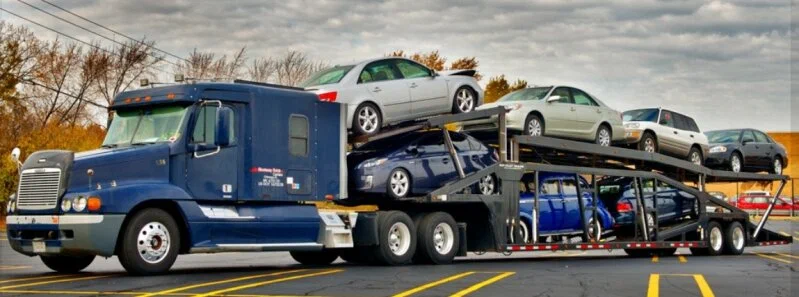
Open transport is the standard option, using multi-car carriers similar to what you see hauling new vehicles to dealerships. It’s more affordable and works perfectly well for the vast majority of standard vehicles. The trade-off is that your car is exposed to the elements and road debris during transit, though actual damage is rare with reputable carriers.
Enclosed transport puts your vehicle inside a fully covered trailer, protected from weather, dust, and debris. It costs more — often 40-60% more than open transport — but it’s the standard choice for classic cars, exotic vehicles, and anything with significant sentimental or financial value where the extra protection is worth the premium.
For most Houston-based shipments involving everyday vehicles, open transport gets the job done reliably. Enclosed transport becomes worth considering specifically when you’re moving something irreplaceable or particularly high-value.
Door-to-Door vs. Terminal-to-Terminal
Another key decision point is how the pickup and delivery actually happen.
Door-to-door service means the carrier picks up and drops off as close to your specified addresses as legally and physically possible, usually right in your driveway or a nearby accessible location if your street can’t accommodate a large carrier truck. This is by far the more convenient option for most people.
Terminal-to-terminal means you drop your vehicle off at a designated facility and pick it up at another one on the receiving end. It can occasionally be cheaper, but it adds extra steps, extra driving on your end, and potential storage fees if timing doesn’t line up perfectly.
For a car shipping service houston tx customers can actually rely on, door-to-door is almost always worth the modest price difference, especially if you’re juggling a move, a new job start date, or other tight logistics.
Understanding Pricing and Avoiding Lowball Quotes
Auto transport pricing fluctuates based on distance, vehicle size, transport type, time of year, and current fuel costs. One of the most common complaints in this industry involves brokers quoting an unrealistically low price to win the booking, only for the customer to discover no carrier will actually take the job at that rate — leading to delays, re-quotes, or last-minute price increases.
A trustworthy shipping service gives you a realistic quote upfront based on current market rates, rather than a lowball number designed purely to get your signature. If a quote seems dramatically lower than everything else you’ve seen, that’s usually a sign it won’t hold up once it’s time to actually dispatch a carrier.
What Affects Your Shipping Timeline
Several factors influence how quickly your vehicle actually gets picked up and delivered:
Route popularity. Major corridors with heavy traffic, including routes in and out of Houston, tend to have more available carrier capacity and therefore faster pickup windows than remote or less-traveled routes.
Season. Snowbird season and peak summer moving months tend to see higher demand and tighter capacity, which can extend pickup windows.
Flexibility. Being flexible on your exact pickup date, even by a day or two, can significantly speed up the process since it gives dispatchers more carrier options to work with.
Vehicle type. Oversized vehicles, inoperable vehicles, and modified vehicles sometimes require specialized equipment, which can narrow the pool of available carriers and extend timelines slightly.
Preparing Your Vehicle for Shipment
A little preparation on your end makes the entire process smoother. Clean your vehicle before pickup so any existing damage is clearly visible and easy to document during the pre-shipment inspection. Remove personal items and loose belongings, since most carriers’ insurance doesn’t cover personal property inside the vehicle. Document the vehicle’s condition with your own photos and video in addition to whatever inspection report the driver completes at pickup. Keep the fuel tank around a quarter full — enough to load and unload the vehicle without carrying unnecessary extra weight.
Insurance and Liability
Every legitimate carrier is required to carry cargo insurance, but coverage amounts and terms vary. Before your vehicle ships, ask specifically what the carrier’s insurance covers, what your deductible responsibility looks like in the event of damage, and whether you should consider supplemental coverage through your own auto insurance policy for the duration of transit. A reputable shipping service will walk you through this clearly rather than glossing over it.
Choosing the Right Shipping Partner in Houston
With so many options claiming to offer the best rates and fastest service, it helps to focus on a few concrete signals of reliability: transparent pricing without hidden fees, clear communication throughout the process, proper licensing and insurance, and a track record you can actually verify through reviews and references. A company that answers your questions directly, rather than deflecting to vague reassurances, is generally the safer bet.
Get Your Quote and Book With Confidence
If you’ve got a vehicle that needs to move to or from the Houston area, the process doesn’t have to be stressful. You can stop by our office here to talk through your specific shipping needs in person, or reach out for a straightforward quote based on your actual route, vehicle, and timeline.
Final Thoughts
Shipping a vehicle is a bigger decision than it might initially seem, involving real trade-offs between cost, convenience, and protection. Taking the time to understand open versus enclosed transport, door-to-door versus terminal service, and realistic pricing expectations puts you in a much stronger position to choose a shipping service that actually delivers on its promises. Houston’s position as a major transport hub works in your favor — use that to your advantage by comparing options and asking the right questions before you book.