

Car diagnostic services have been around for years, but most drivers still do not use them to their full potential. You see the warning light pop up on your dashboard, and your heart sinks. You hope it goes away.
Maybe it is just a glitch. But here is the truth: your car has been trying to tell you something for days, sometimes weeks, before that light even appeared.
Table Of Content
- What Car Diagnostic Services Actually Do
- Why Visual Inspections Miss So Much
- The Hidden Merits Most Drivers Overlook
- 1. Early Detection Saves Money
- 2. They Give You Power When Dealing with Garages
- 3. They Protect You When Buying a Used Car
- 4. They Help Maintain Resale Value
- 5. They Spot Issues That Never Trigger a Light
- What to Expect During a Diagnostic Check
- Final Thoughts
Modern vehicles are packed with sensors. They monitor everything from engine temperature to exhaust emissions.
They track how well your brakes are performing and whether your battery is holding charge.
All that data is stored in the car’s computer, waiting to be read. The problem is, most of us ignore it until something breaks.
That is where a proper diagnostic check changes everything. A good car service garage will hook up their scanner, pull the data, and give you a clear picture of what is really going on under the surface. Not just the obvious stuff.
The hidden stuff too.
In this guide, we will walk through what car diagnostic services actually involve, why they matter more in 2026 than ever before, and how you can use them to save money, avoid breakdowns, and buy smarter when it is time for a new car.
What Car Diagnostic Services Actually Do
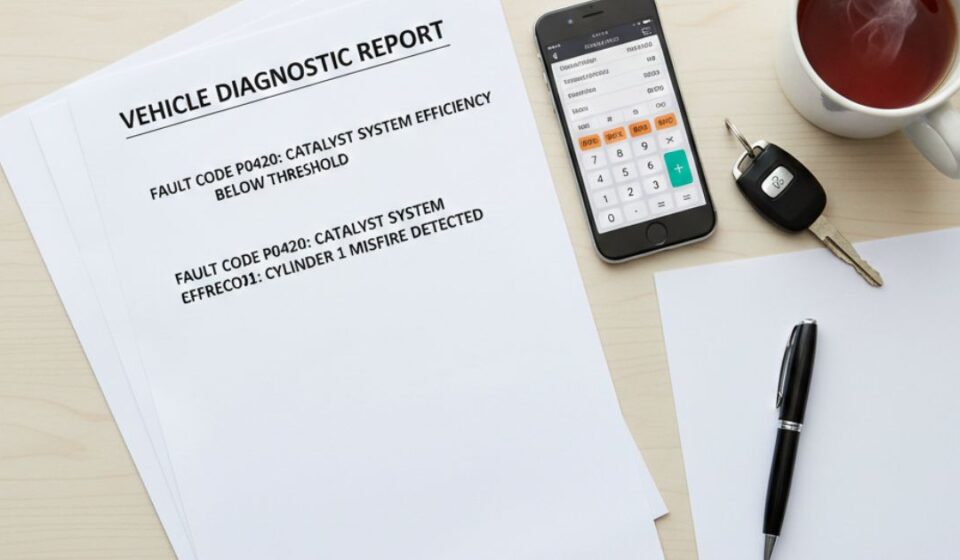
Let us start with the basics. A car diagnostic service connects specialist equipment to your vehicle’s onboard computer. That computer, often called the ECU or Engine Control Unit, constantly monitors every sensor in the car. When something falls outside expected parameters, it logs a fault code.
These codes, known as Diagnostic Trouble Codes or DTCs, tell a mechanic exactly which system reported a problem. It might be the oxygen sensor. It might be the ABS module. It might be something as simple as a loose fuel cap.
The scanner reads these codes and displays them for the technician.
From there, a good mechanic uses their experience to interpret what the code means in the real world. A code alone does not tell you the whole story. It tells you where to look.
In 2026, diagnostic tools have moved on. Many now offer live data streaming, meaning the mechanic can watch sensor readings in real time as the engine runs. That helps them spot intermittent faults that only appear under certain conditions.
Why Visual Inspections Miss So Much
You can stare at an engine bay all day and never spot an electrical fault. That is just the reality of modern cars.
A visual check tells you about obvious things. Worn tyres. Leaking fluids. Cracked belts. But it cannot tell you that a sensor is sending the wrong voltage to the ECU.
It cannot tell you that your catalytic converter is slowly clogging up. It cannot tell you that your battery is about to fail on a cold morning.
This is why diagnostics matter. They look inside the electrical brain of the car, not just the mechanical body.
What’s Being Checked
Visual Inspection
Diagnostic Scan
Tyre tread depth
✅ Yes
✅ Yes
Fluid leaks
✅ Yes
✅ Yes
Faulty oxygen sensor
❌ No
✅ Yes
Battery health under load
❌ No
✅ Yes
Airbag system readiness
❌ No
✅ Yes
Fuel injection timing
❌ No
✅ Yes
Intermittent misfire
❌ No
✅ Yes
ABS module communication
❌ No
✅ Yes
The difference is clear. A diagnostic scan sees what your eyes cannot.
The Hidden Merits Most Drivers Overlook
Most people think diagnostics are only for when the warning light is on. That is a mistake. Here is what else they can do for you.
1. Early Detection Saves Money
A fault caught early is usually cheap to fix. A failing sensor replaced now costs £150. The same sensor left to fail completely can damage the catalytic converter, and that is a £1,000+ repair.
Regular scans catch things before they cascade into bigger problems. It is the automotive version of spotting a small crack in your house foundation before the wall collapses.
2. They Give You Power When Dealing with Garages
Ever felt unsure whether a mechanic was telling you the truth? A diagnostic report levels the playing field.
When a garage shows you a printout with fault codes, you can see for yourself what the car has logged. You can ask questions. You can check how urgent each issue really is. Some codes are critical. Others are just historical data from months ago.
Armed with that report, you are not just trusting someone’s word. You are making an informed decision.
3. They Protect You When Buying a Used Car
This one is huge. A used car might drive perfectly on a five-minute test run. The engine sounds smooth. The gears select cleanly. Everything looks fine.
But a diagnostic scan can reveal:
Hidden fault codes the seller cleared before you arrived
Intermittent issues that only show up in the data
Mileage discrepancies that suggest tampering
Module communication errors that point to crash damage
A proper pre-purchase inspection at a trusted car service garage includes a full diagnostic scan. It costs around £50 to £100 and could save you from buying a car with expensive hidden problems.
4. They Help Maintain Resale Value
When you come to sell your car, having a clean diagnostic history adds confidence. Buyers know you looked after it. They know there are no hidden codes lurking. That makes your car easier to sell and often gets you a better price.
5. They Spot Issues That Never Trigger a Light
Not every fault lights up your dashboard. Manufacturers set thresholds for warnings. A problem can exist long before it crosses that threshold.
For example, a weak battery might still start the car but struggle in winter. A diagnostic scan measures actual cold cranking amps and tells you the battery is on its way out. No warning light. Just data.
What to Expect During a Diagnostic Check
If you have never had one done, here is how it works.
You book the car into a car service garage.
The technician connects a scanner to the OBD port, usually under the dashboard.
The scanner communicates with all the vehicle’s modules.
Fault codes and live data are displayed on screen.
The technician interprets the results and discusses them with you.
You get a printout or digital report showing any issues.
The whole process takes about 30 to 60 minutes. It is non-invasive and does not affect your car in any way.
Final Thoughts
Car diagnostic services are one of the most underrated tools in vehicle maintenance. They reveal what your eyes cannot see and give you the information you need to make smart decisions.
Whether you are keeping your current car on the road, looking to buy a used model, or simply want peace of mind on long journeys, a diagnostic scan is money well spent.
Find a car service garage you trust. Book an annual check. And next time that dashboard light flickers on, do not ignore it. Let the car tell you what is wrong. It has been trying all along.